
At the heart of this 1973 Datsun 240Z is a fully rebuilt L24 inline-six — the engine that earned the Z its reputation as a genuine driver's car. This was no quick refresh. The engine was taken down to a bare block, every component inspected, and the whole assembly rebuilt with both long-term reliability and real performance in mind — addressing the weak points that plague unrestored examples. Best of all, this is the car's numbers-matching L24, so the original engine stays with the car.
What follows is the complete story of that rebuild, documented stage by stage: the barn-find starting point, the full teardown and what it revealed, cleaning and media blasting, refinishing in factory-correct colours, precision measured assembly with NOS and OEM parts, and the finished engine installed in the car. 1973 was the final year of the original 240Z, and these cars left the factory with the troublesome emissions-era flat-top SU carburettors — so the conversion to Bosch fuel injection resolves the single biggest reliability complaint of the late cars.
"Built from a bare block, measured at every stage, and finished in factory-correct colours — a rebuild done properly, not cosmetically."
The 240Z L24 RebuildThe Starting Point — An Honest Barn Find
This Datsun 240Z arrived as a genuine barn find — sitting on its original orange paint, weathered and tired, but complete and honest. Under the bonnet sat the original numbers-matching L24, buried under decades of grime and leaves, still wearing its factory SU carburettors. It was exactly the kind of unmolested starting point a proper restoration deserves: nothing hidden, nothing faked, everything there to be brought back correctly.
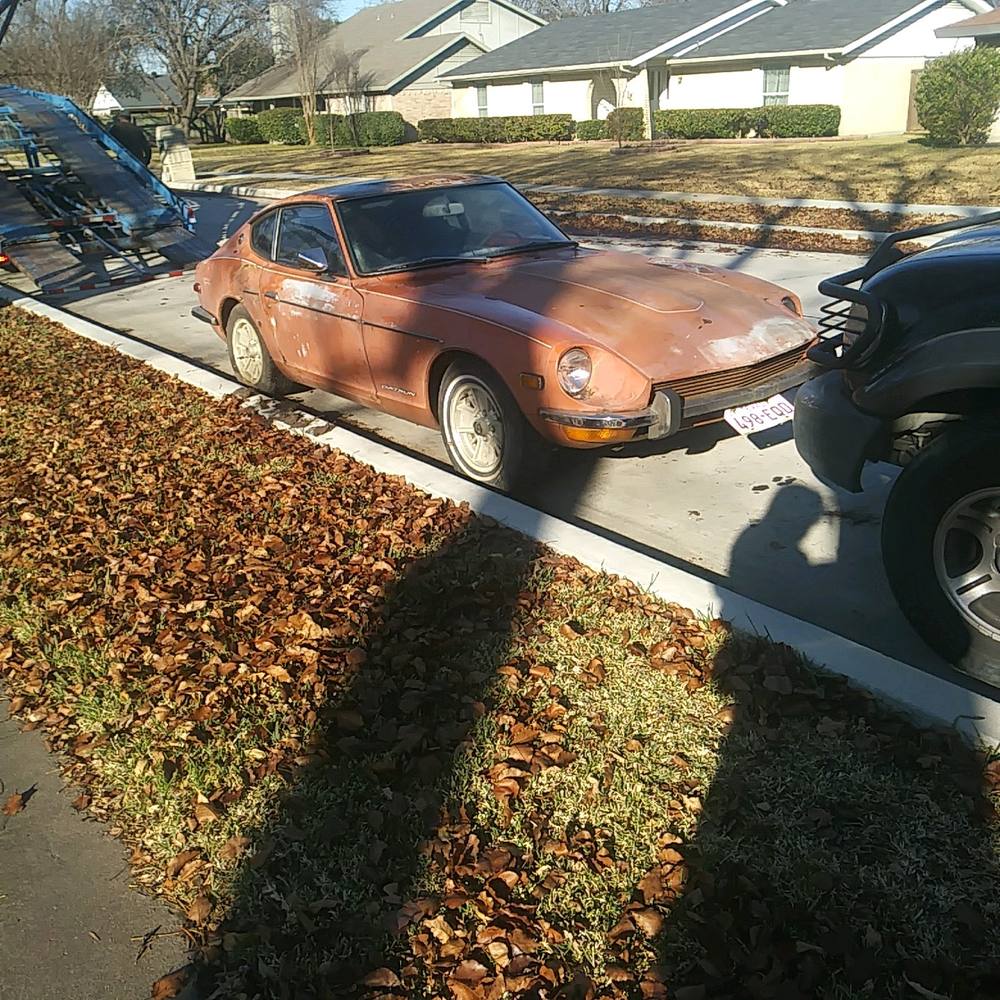
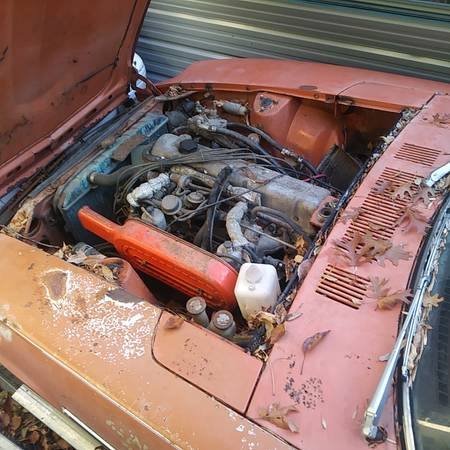
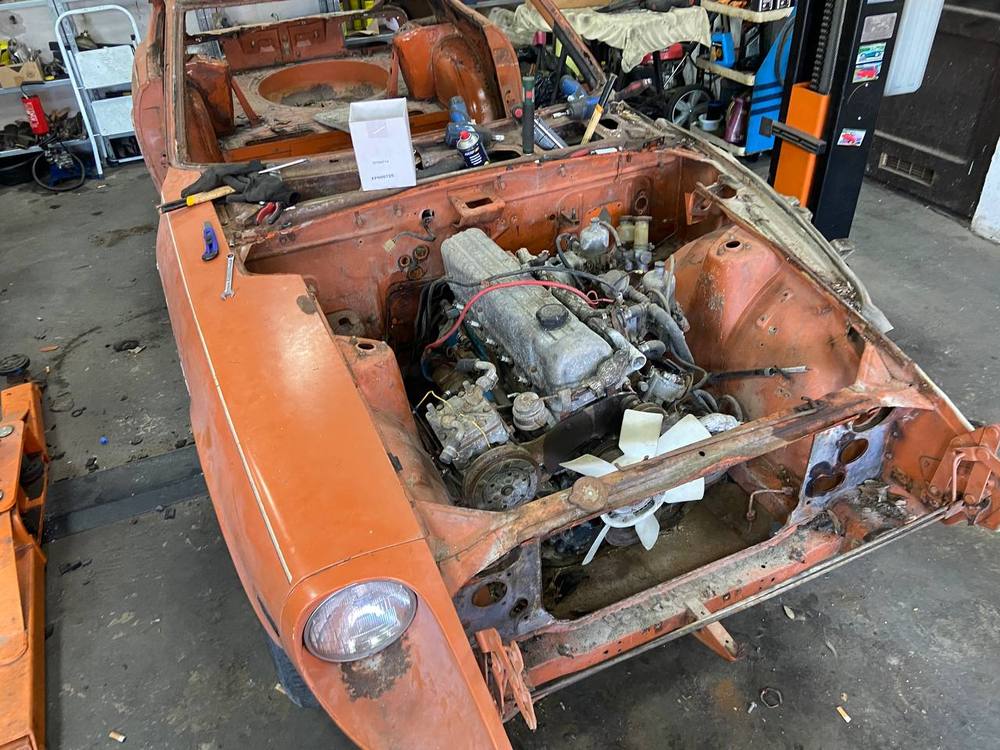
- Original orange paint, complete and unmolested barn-find condition
- Numbers-matching L24 still in place, wearing factory SU carburettors
- Front end stripped, engine ready for removal
Complete Teardown — and What It Revealed
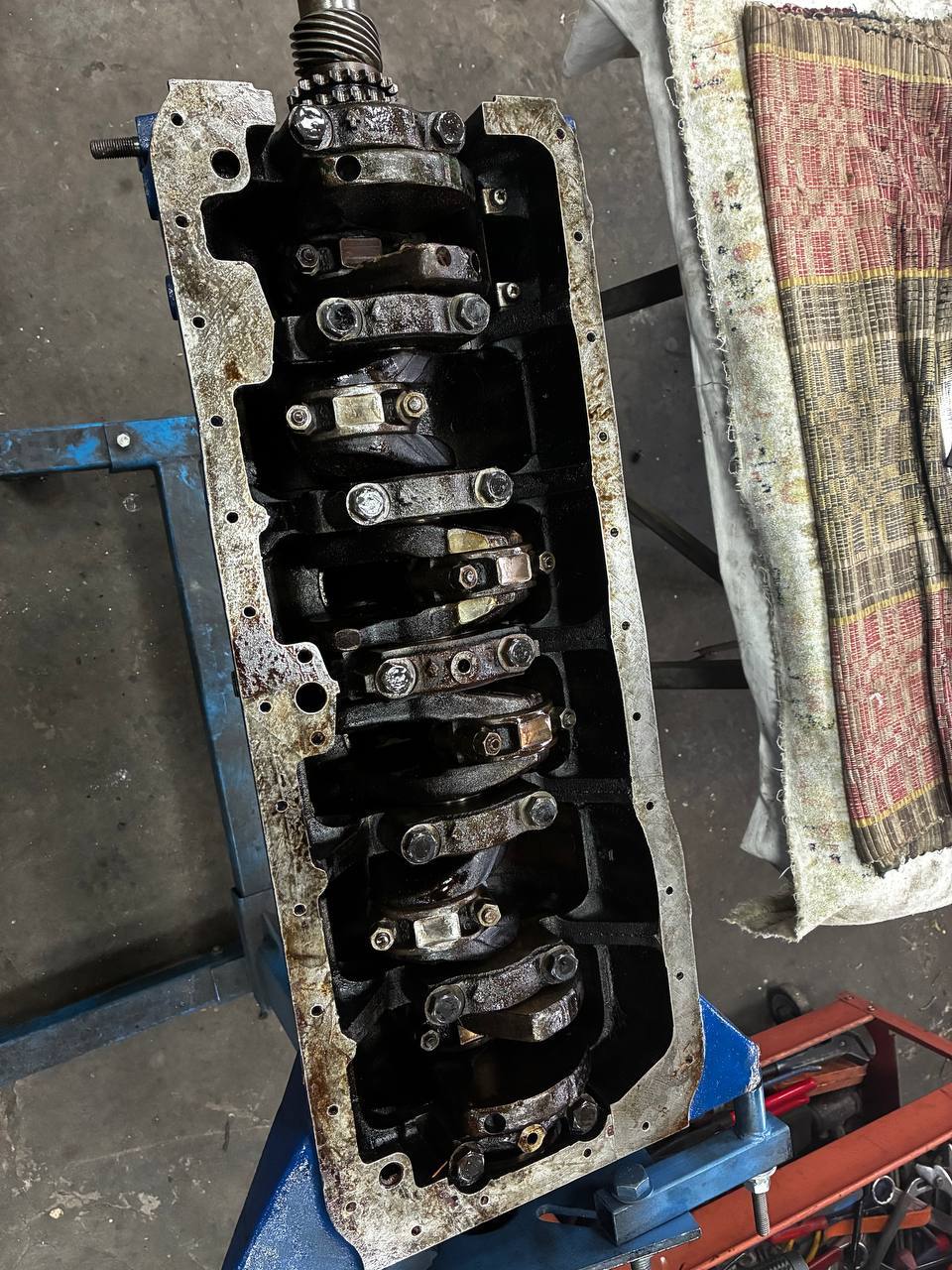
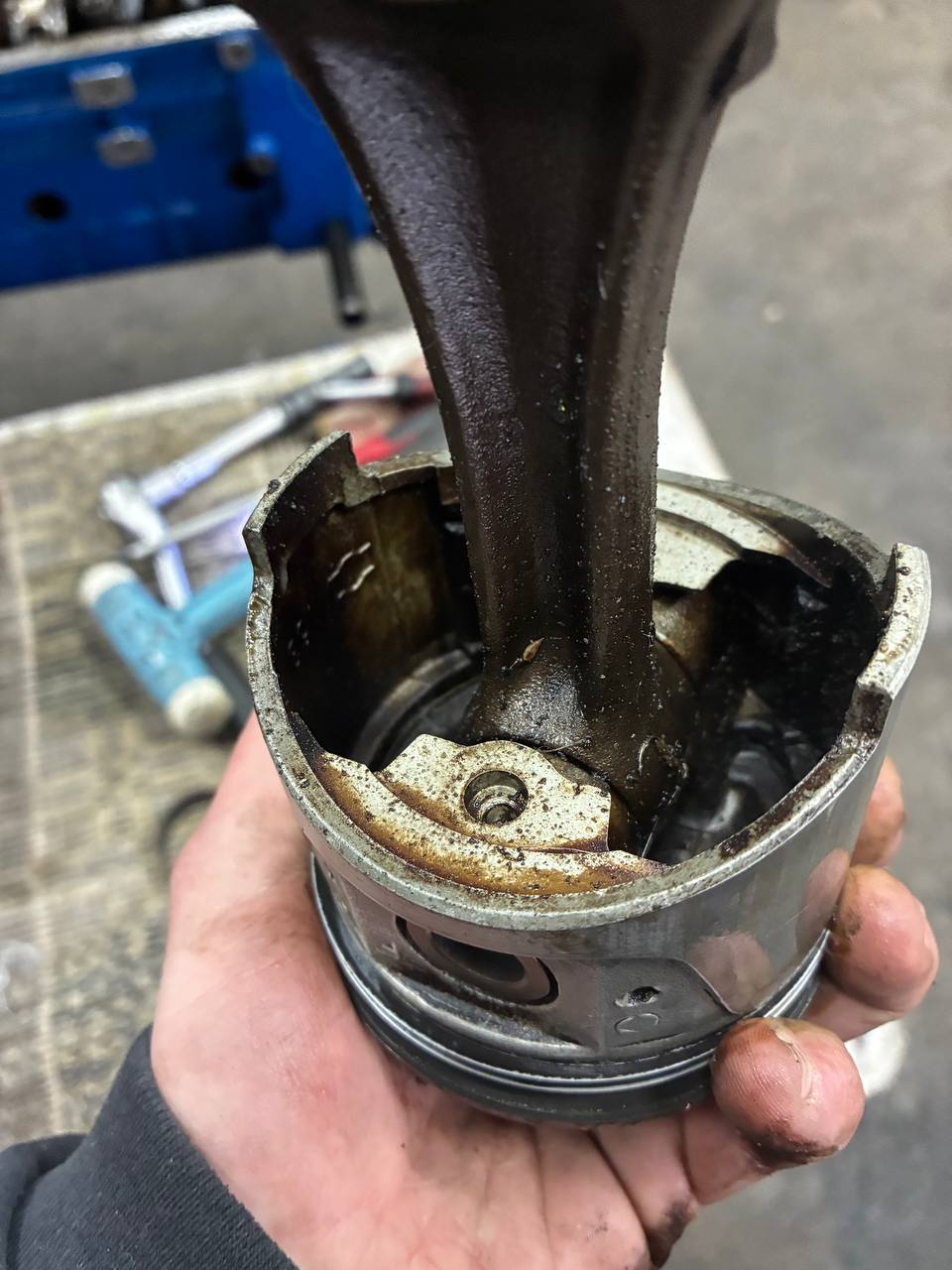
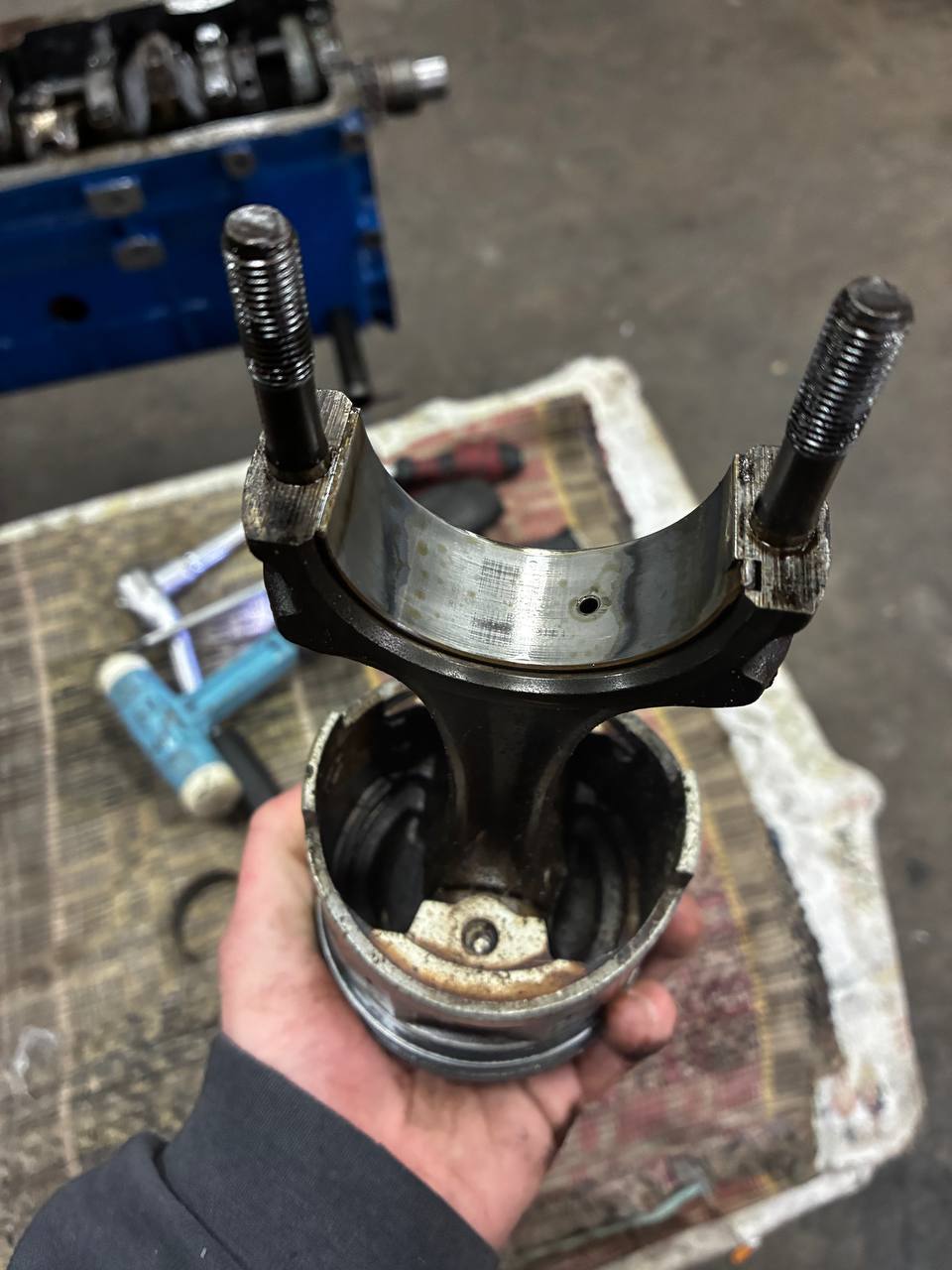
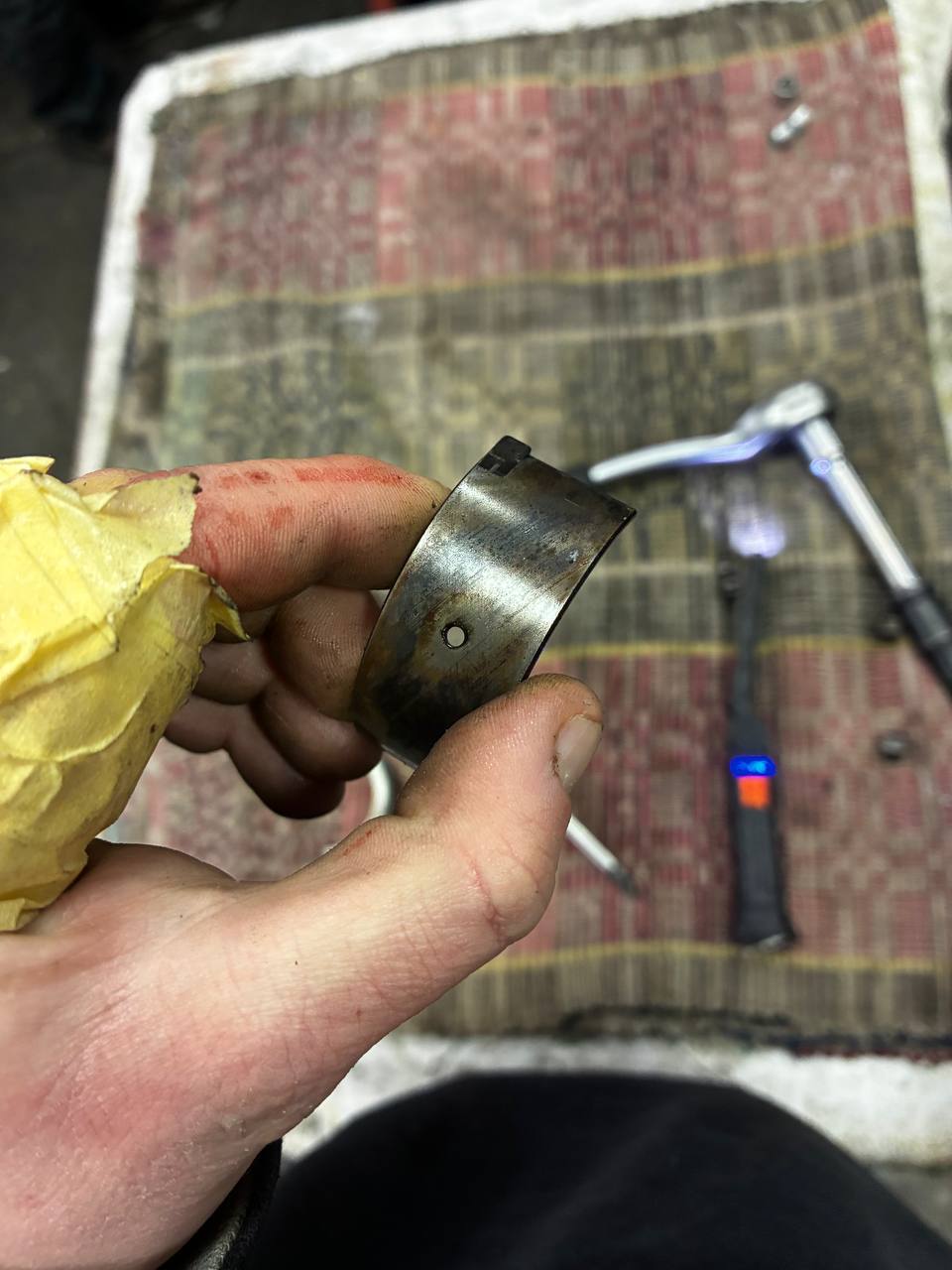
The rebuild began with a full teardown — the L24 stripped completely to its core so nothing was left to chance. With the engine apart, the reasons for a thorough rebuild were plain to see: heavy carbon across the combustion chambers, corroded and worn valves, varnished pistons, and tired main and big-end bearings showing the wear you would expect from a half-century-old engine. Working from a bare block this way is the only way to know exactly what you are putting back together — and it is what separates a genuine rebuild from a cosmetic freshen-up.
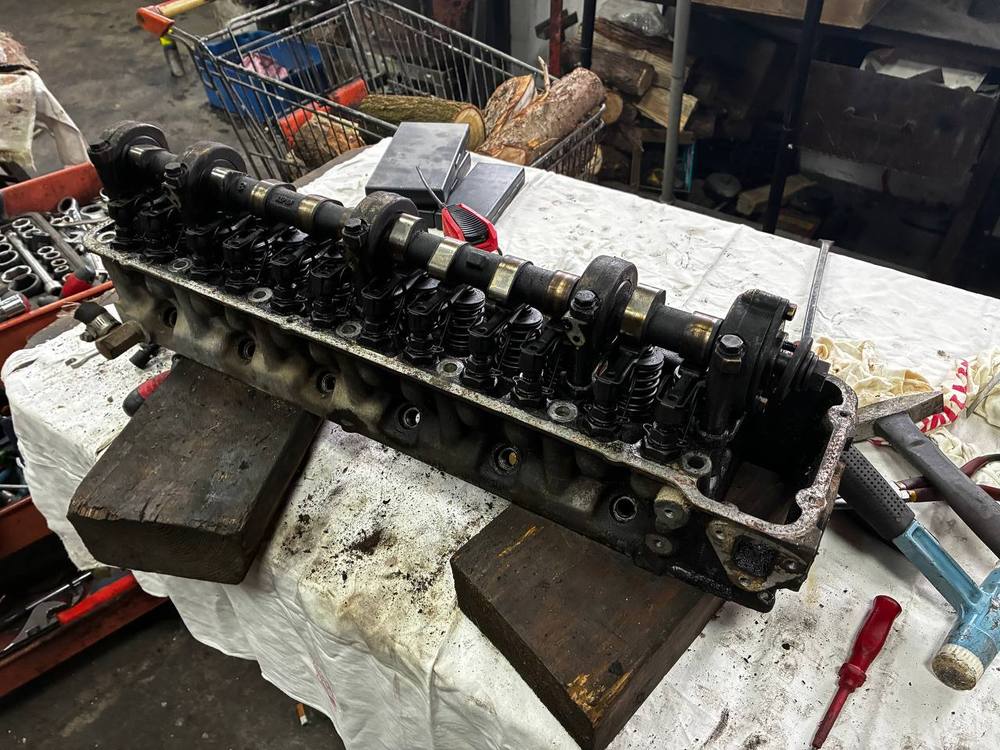
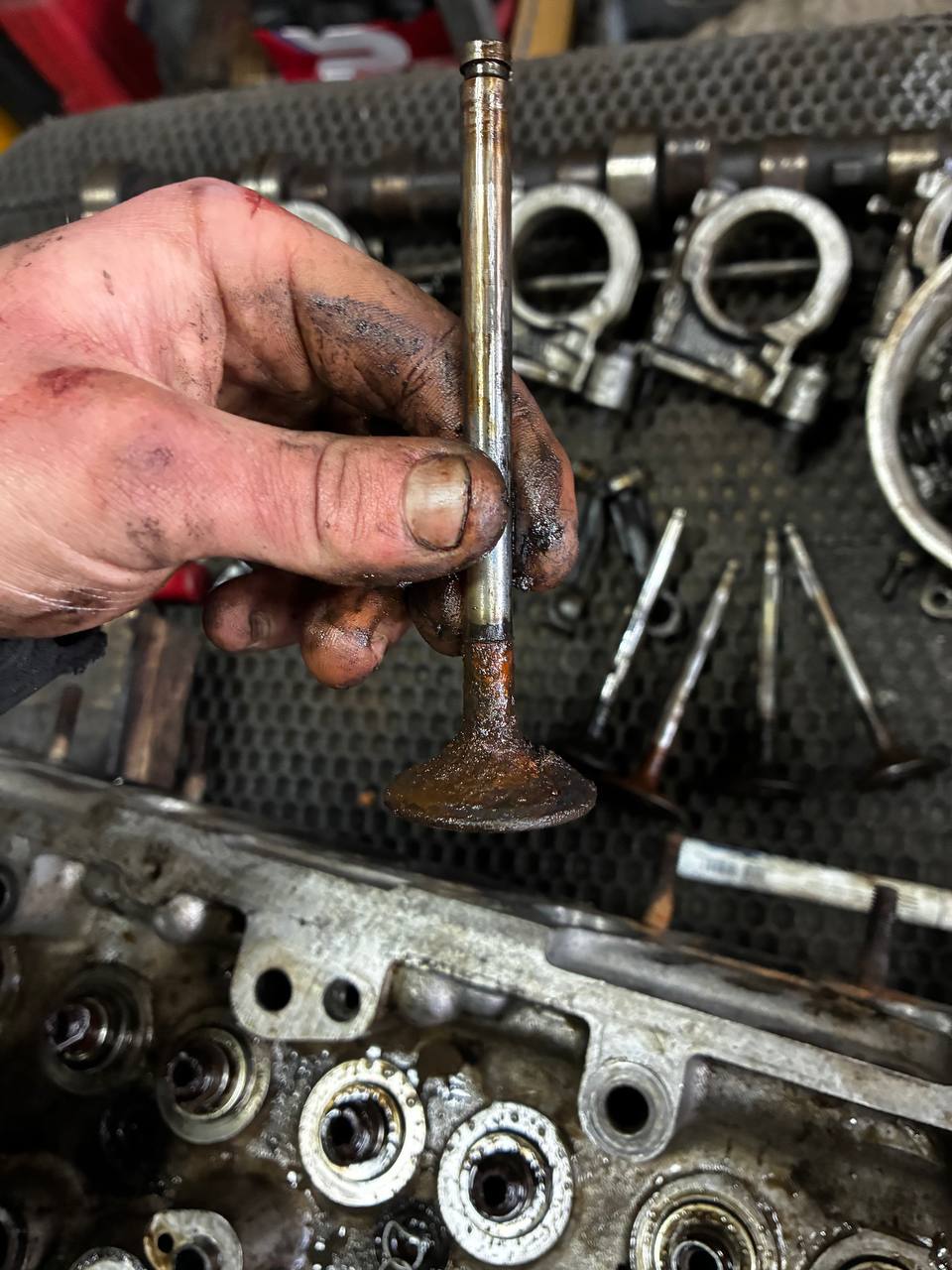
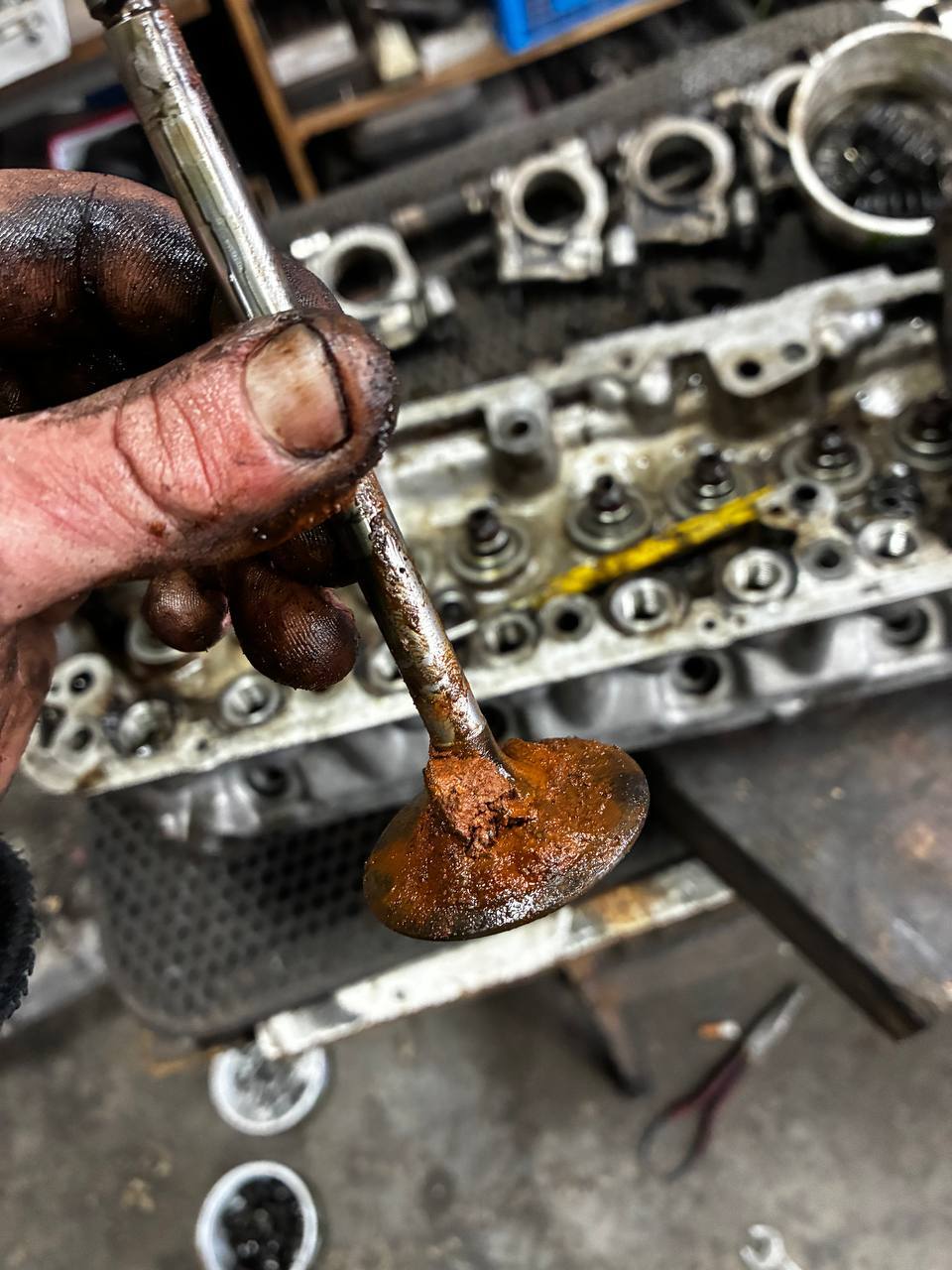
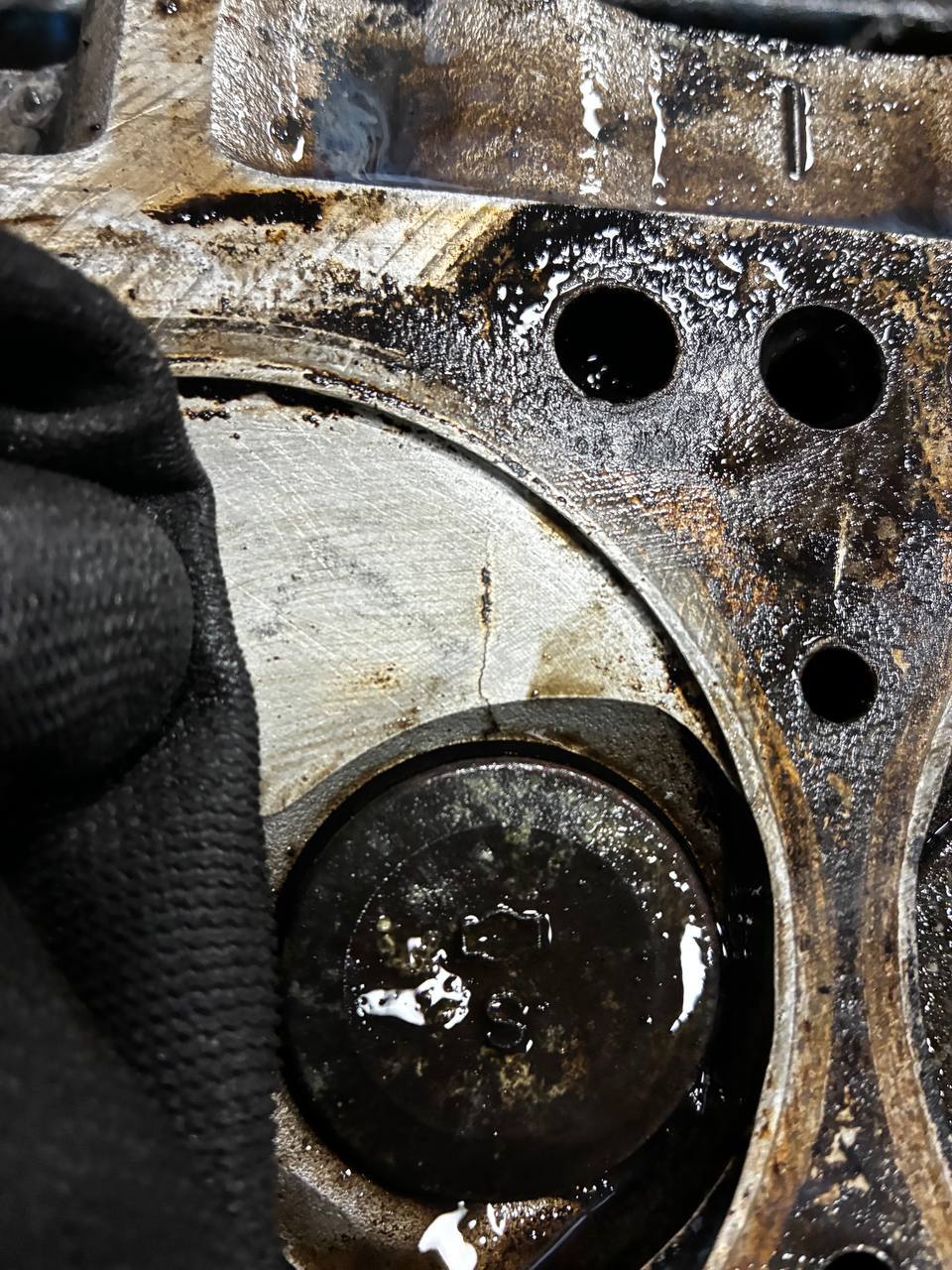
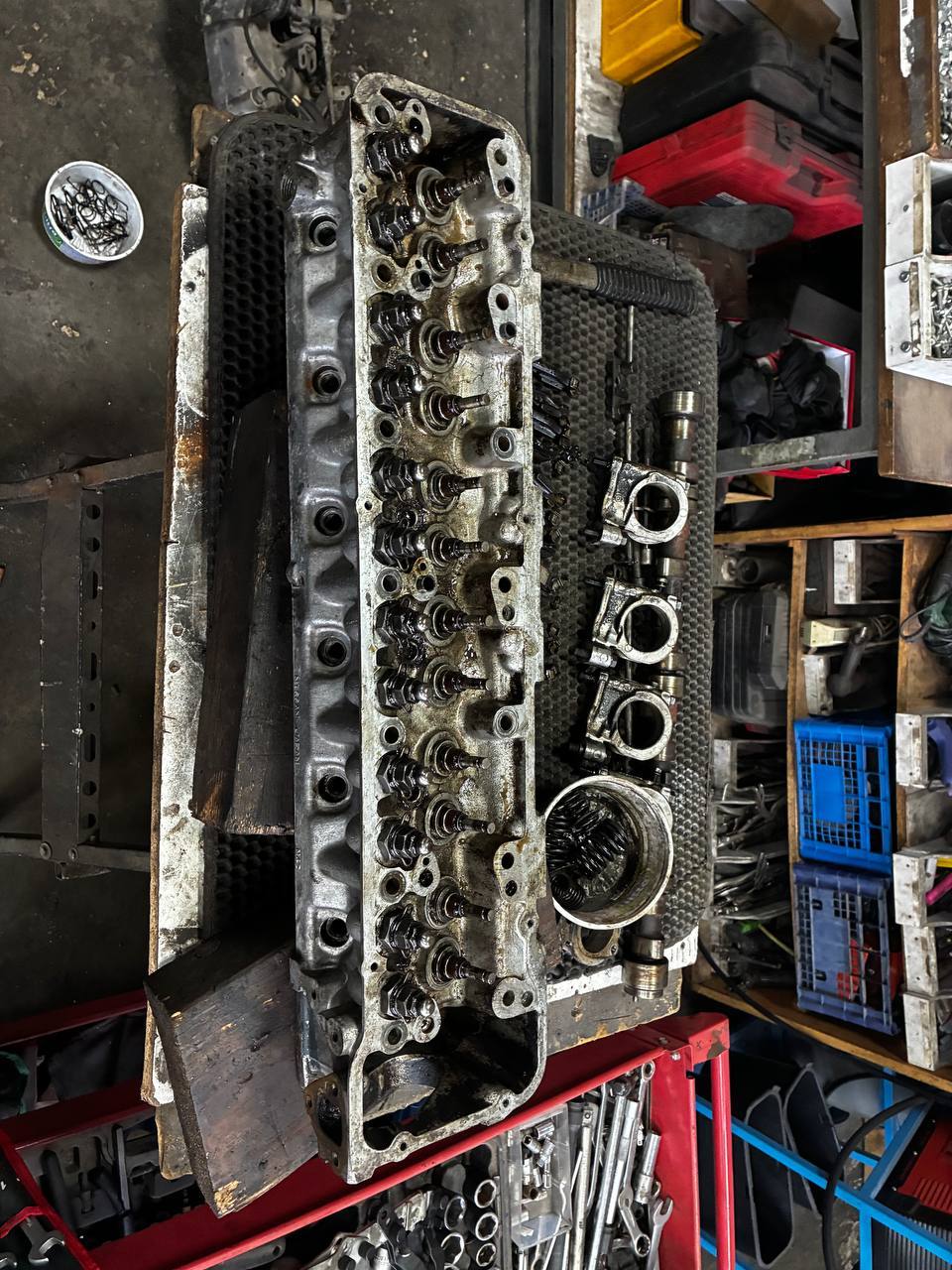
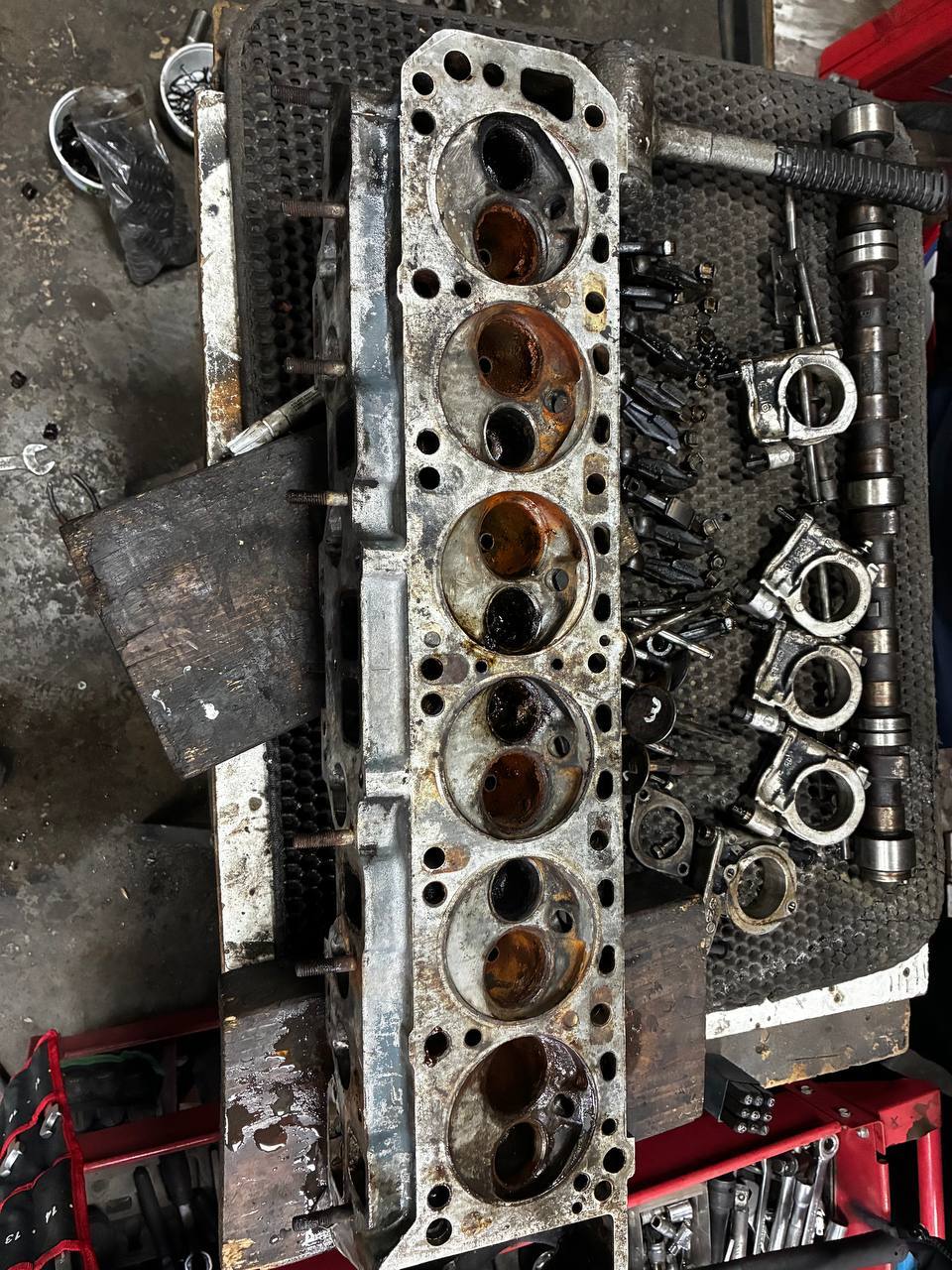
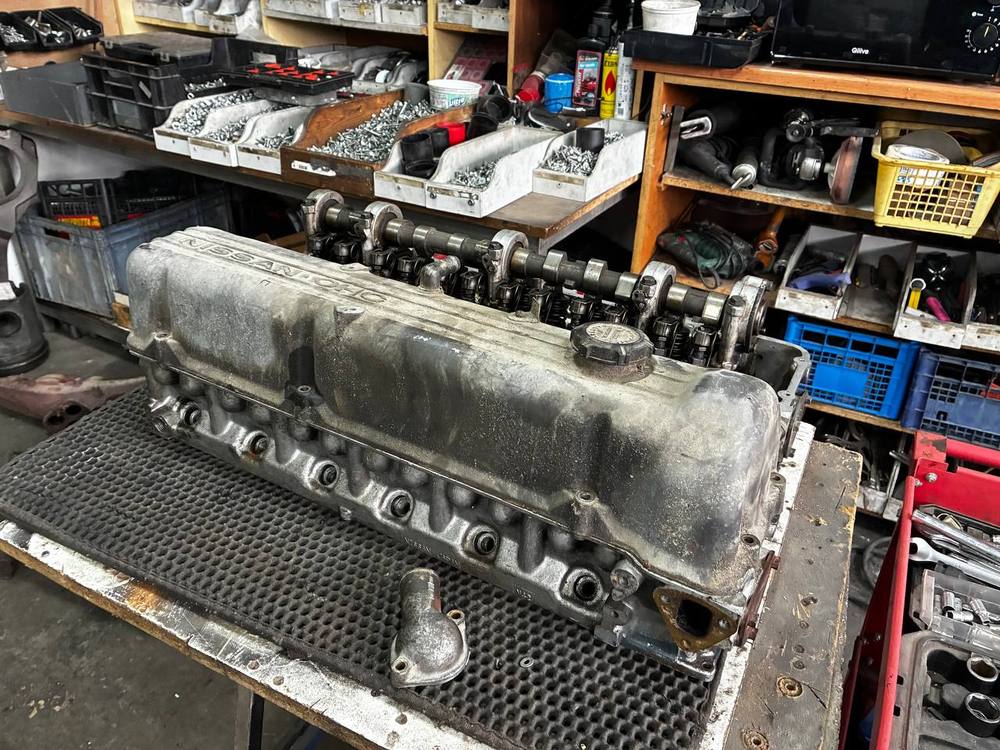
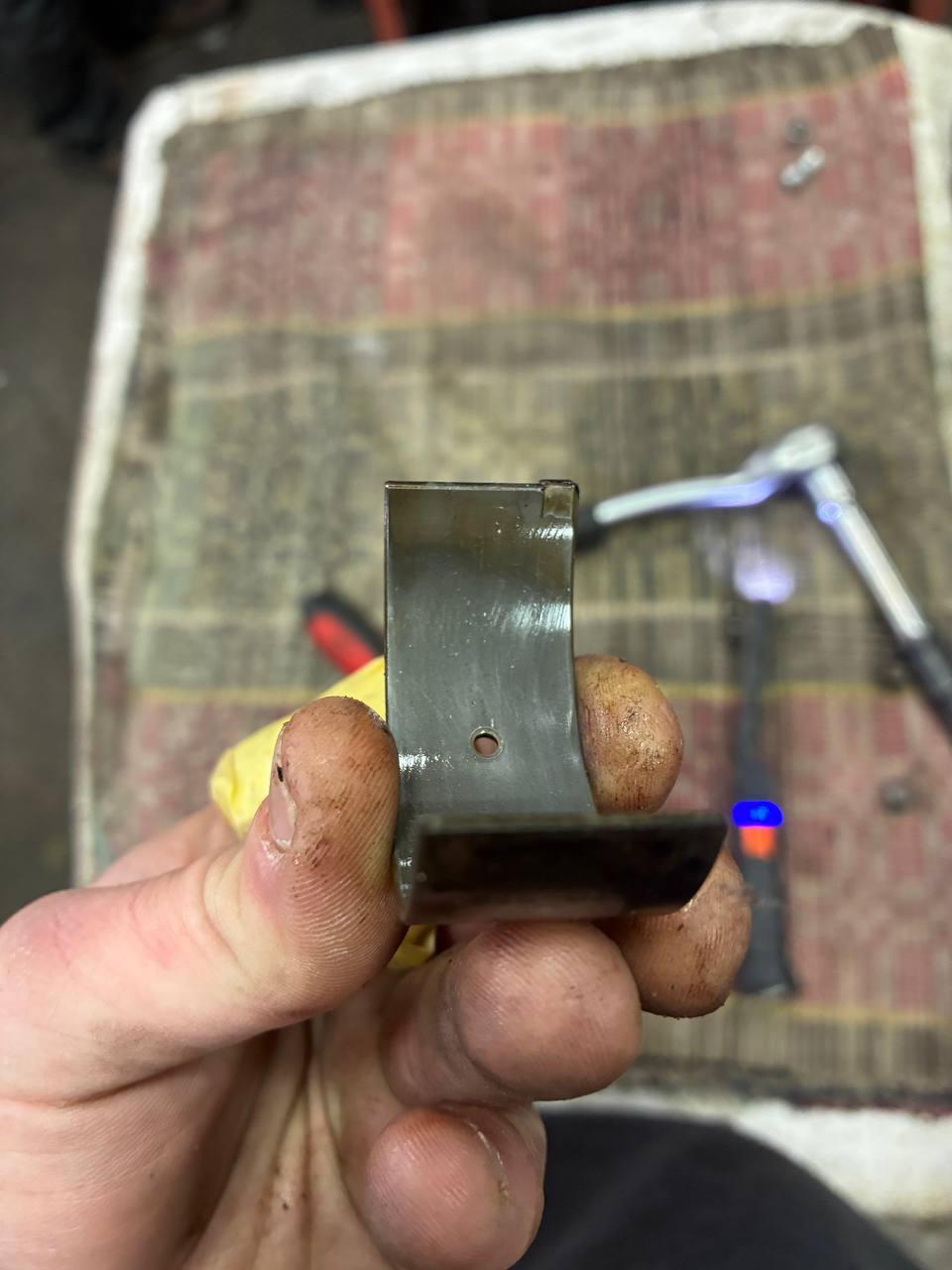
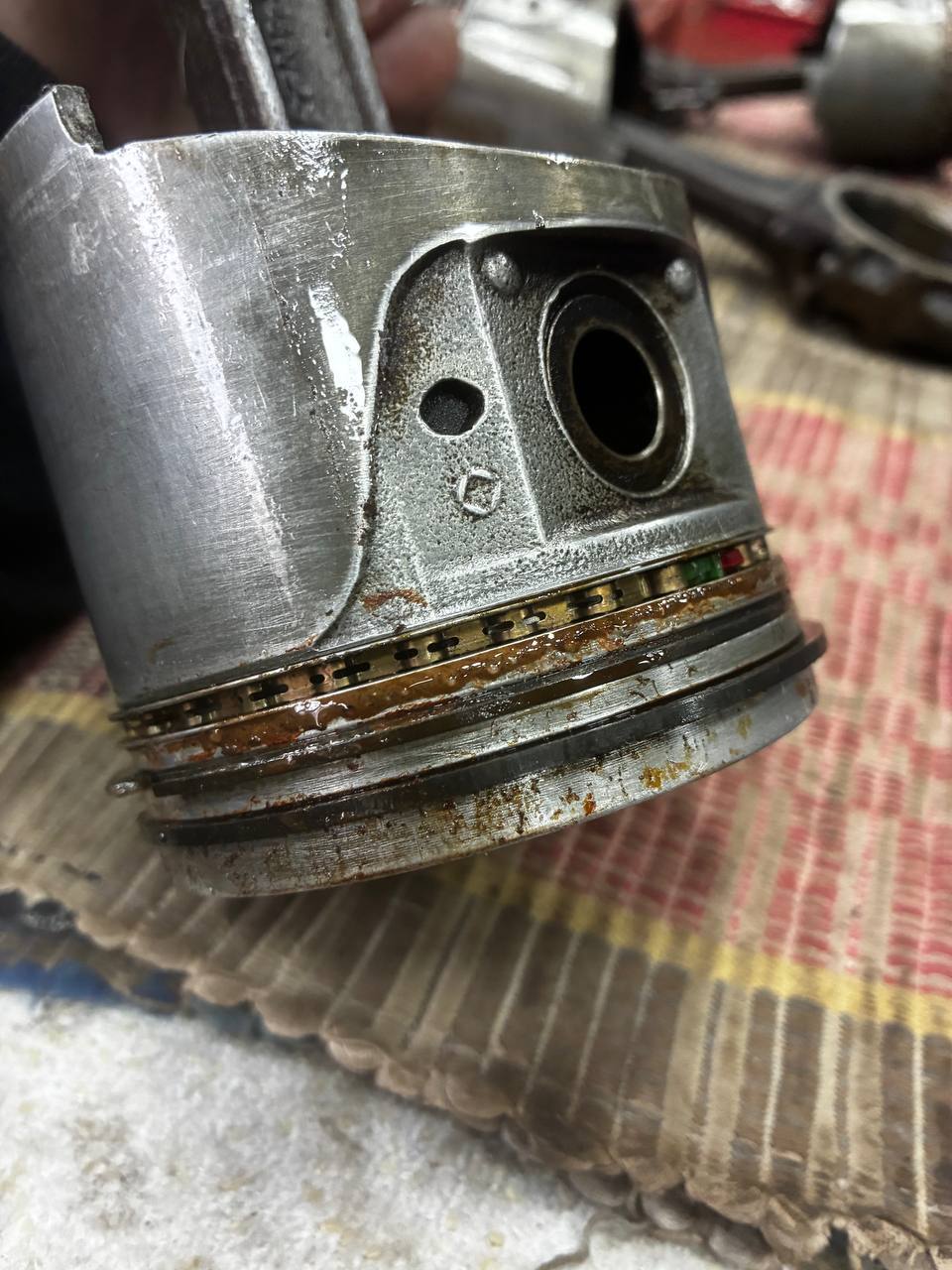
- Cylinder head removed — combustion chambers heavy with carbon
- Worn and corroded valves, varnished pistons
- Tired original main and big-end bearings
- Engine stripped completely to a bare block
Cleaning & Media Blasting
Every major casting was media blasted back to clean, bare metal. The N42 cylinder head went into the blast cabinet grimy and oxidised and came out uniformly clean, ready for inspection and machine work. This stage is unglamorous but essential — it is the foundation that lets the refinishing and assembly that follow be done to a proper standard, and it reveals any casting flaws before they can hide under paint.
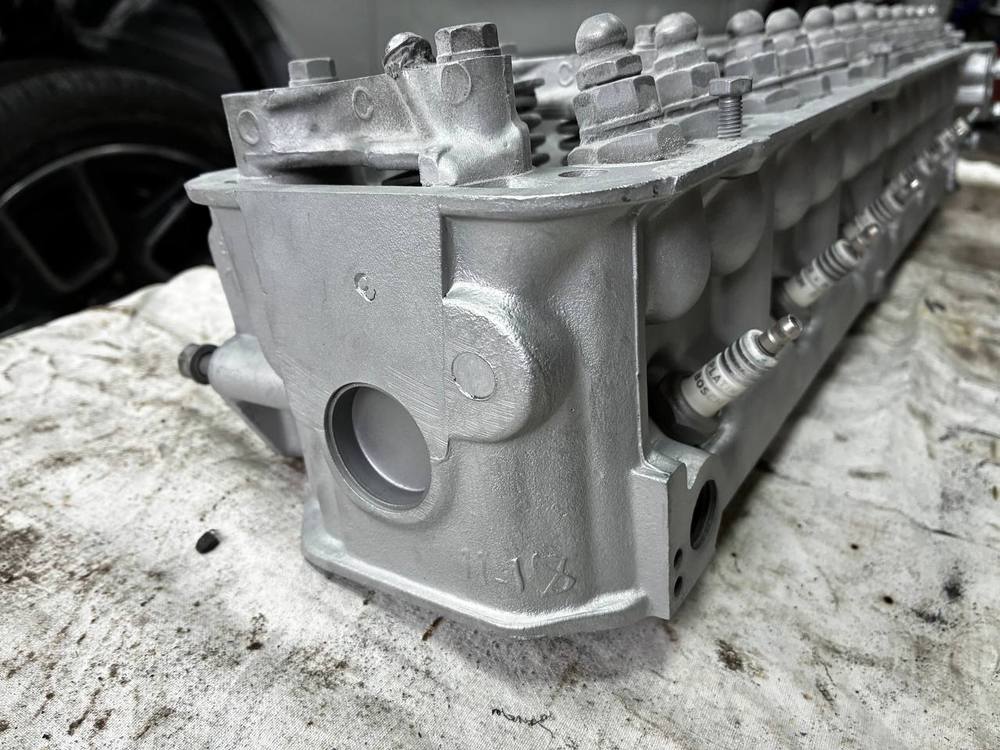
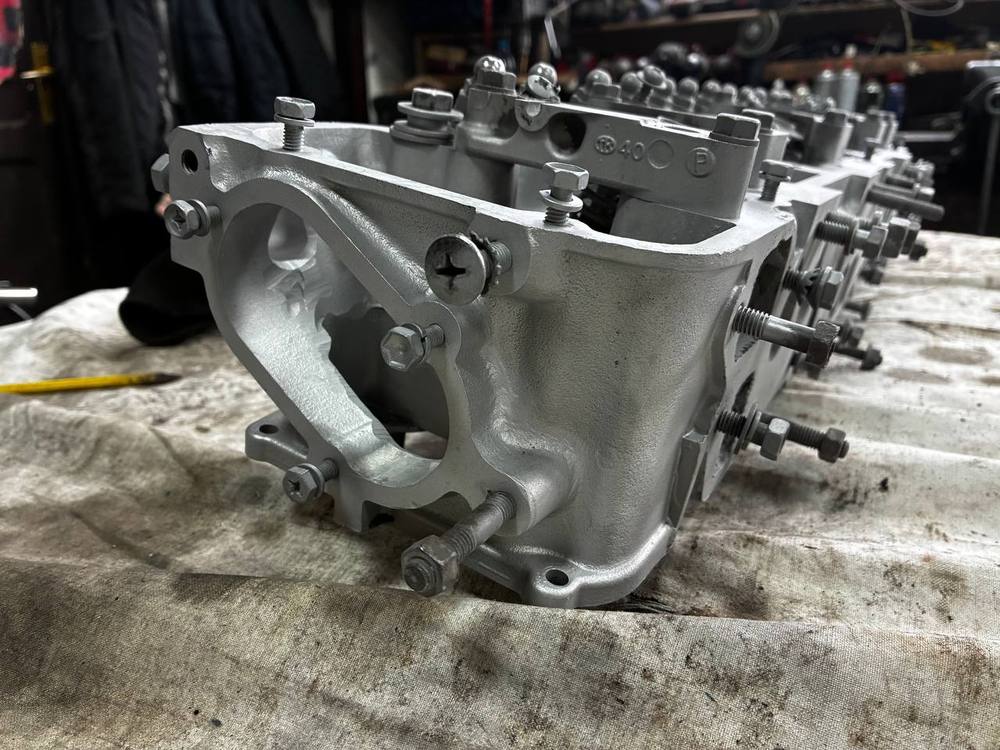
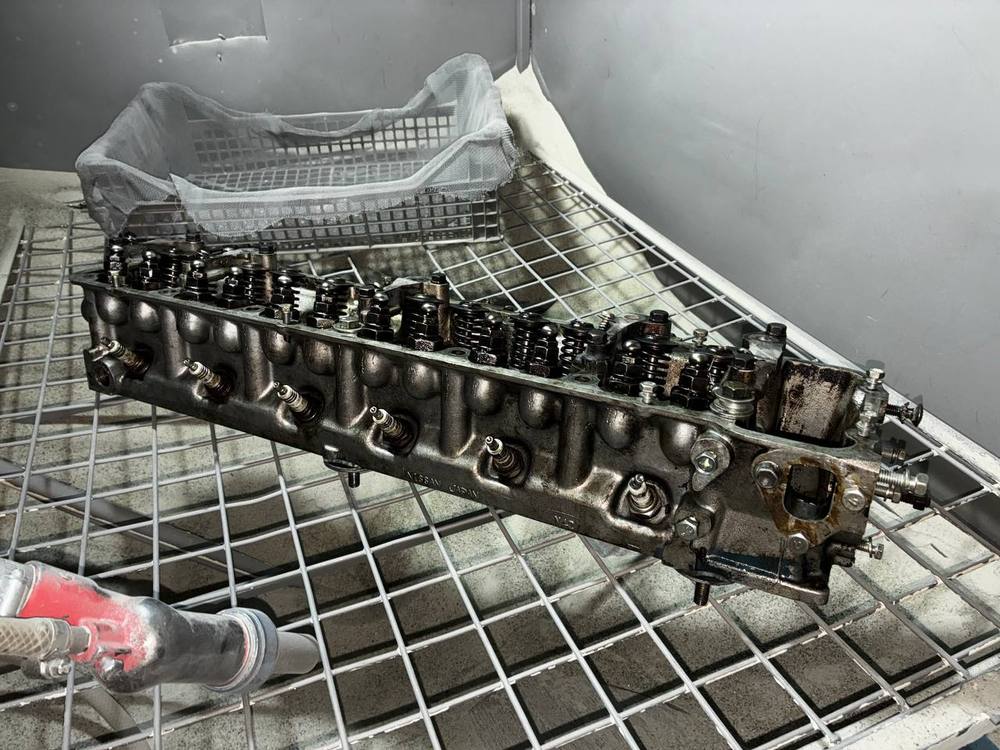
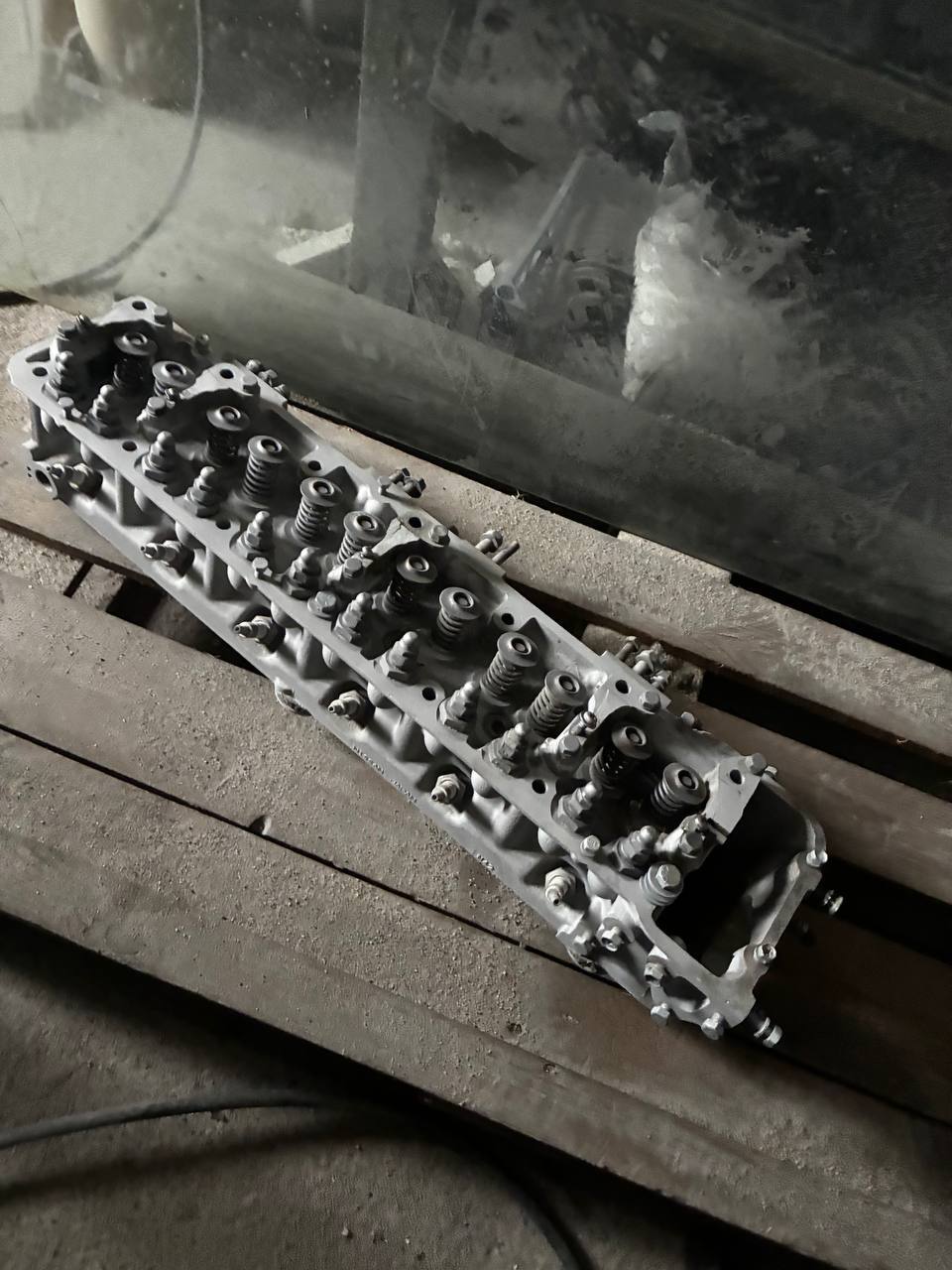
- N42 cylinder head media-blasted back to bare metal
- Every major casting cleaned and ready for inspection
- Casting flaws revealed before any refinishing
Refinishing in Factory-Correct Colours
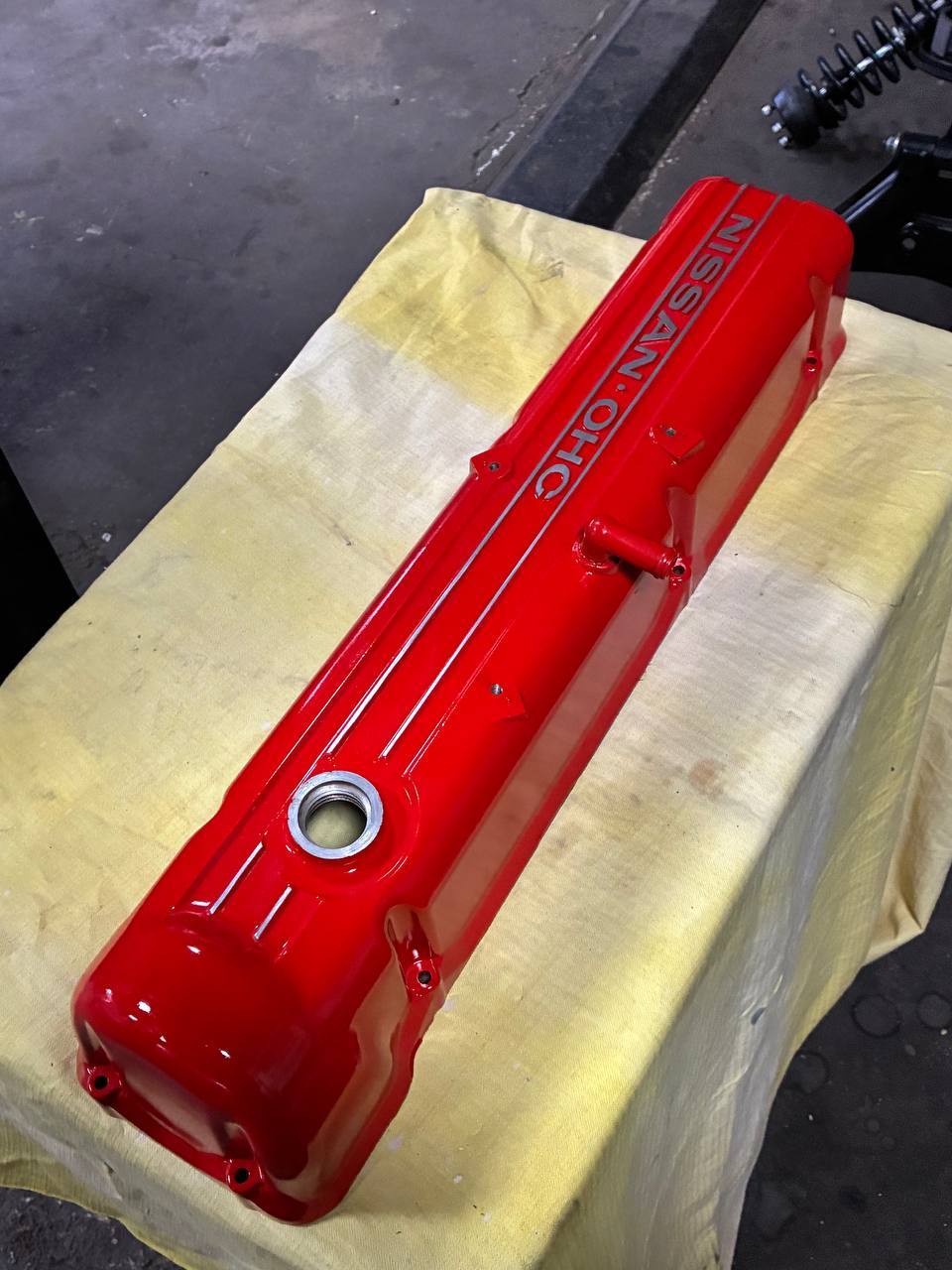
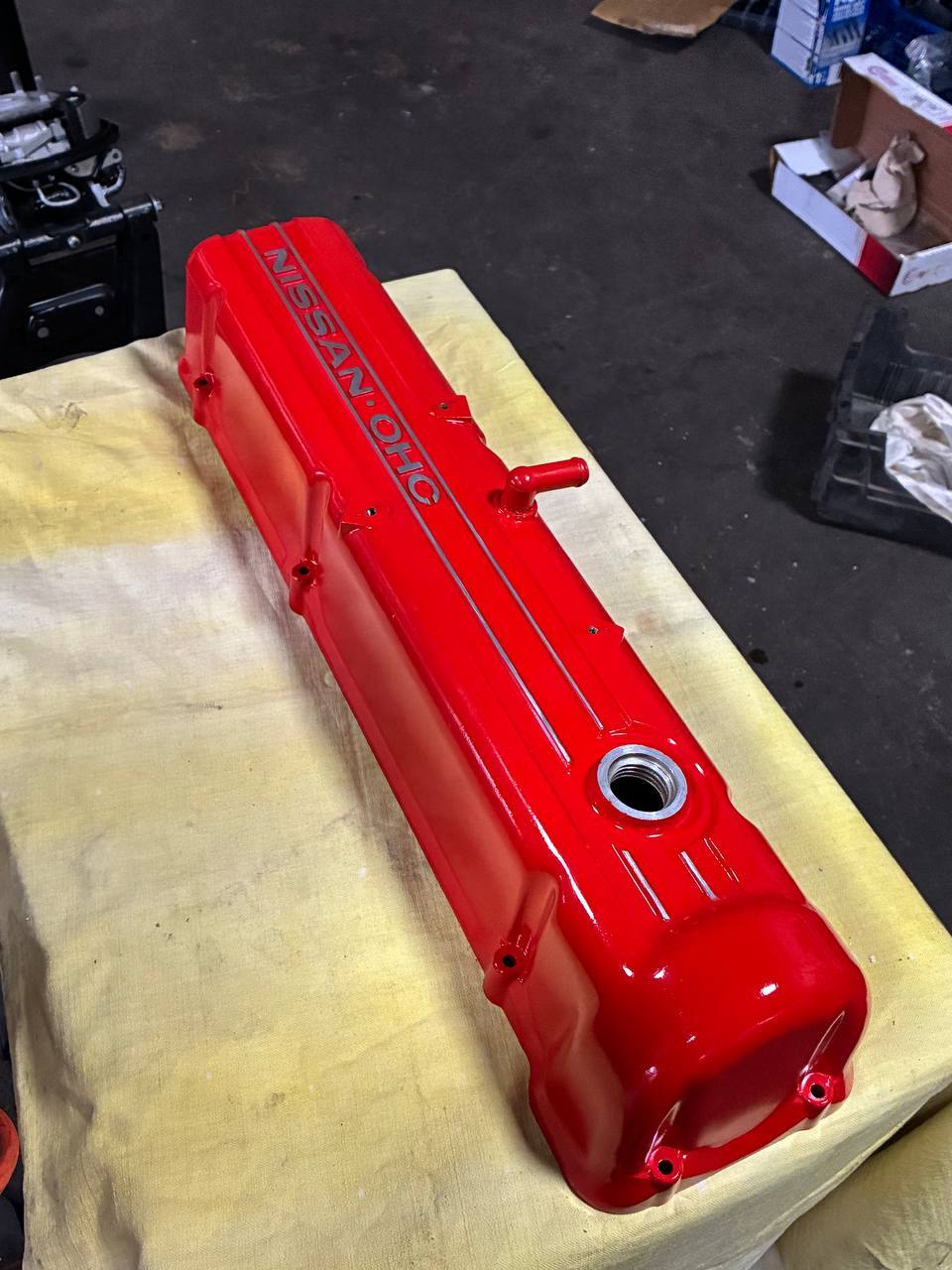
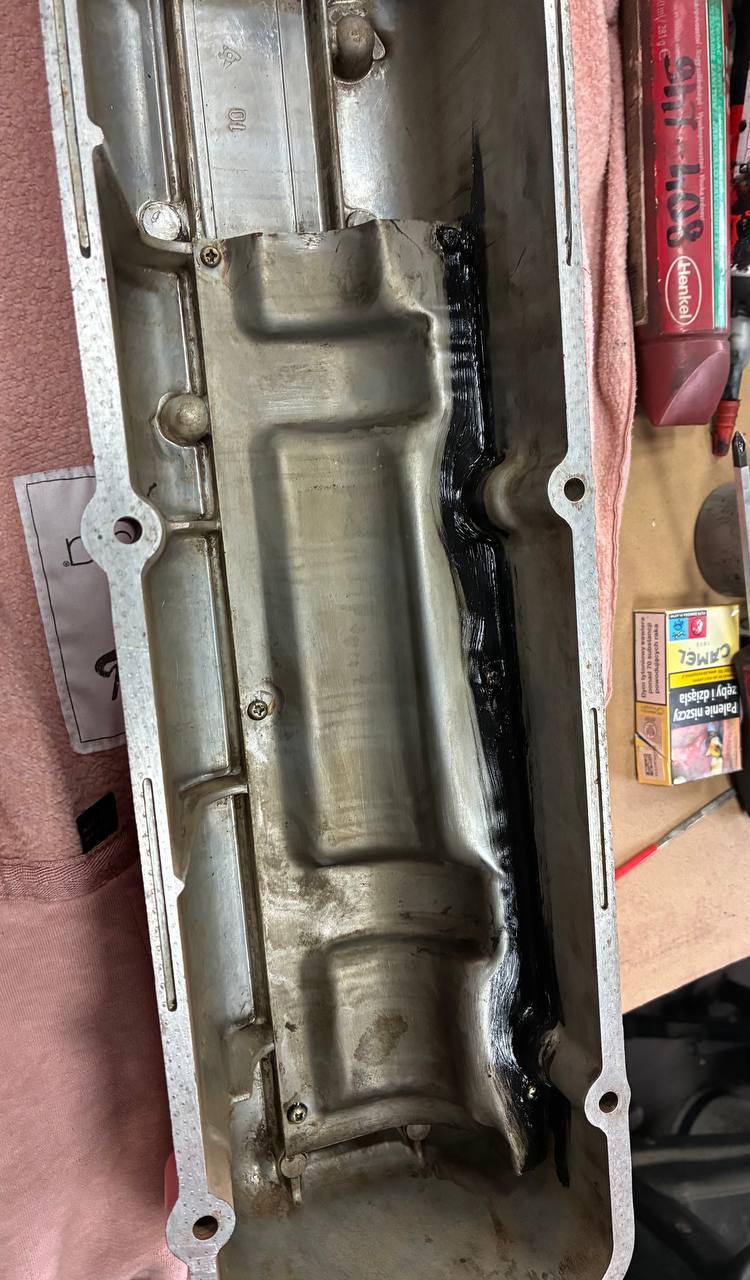
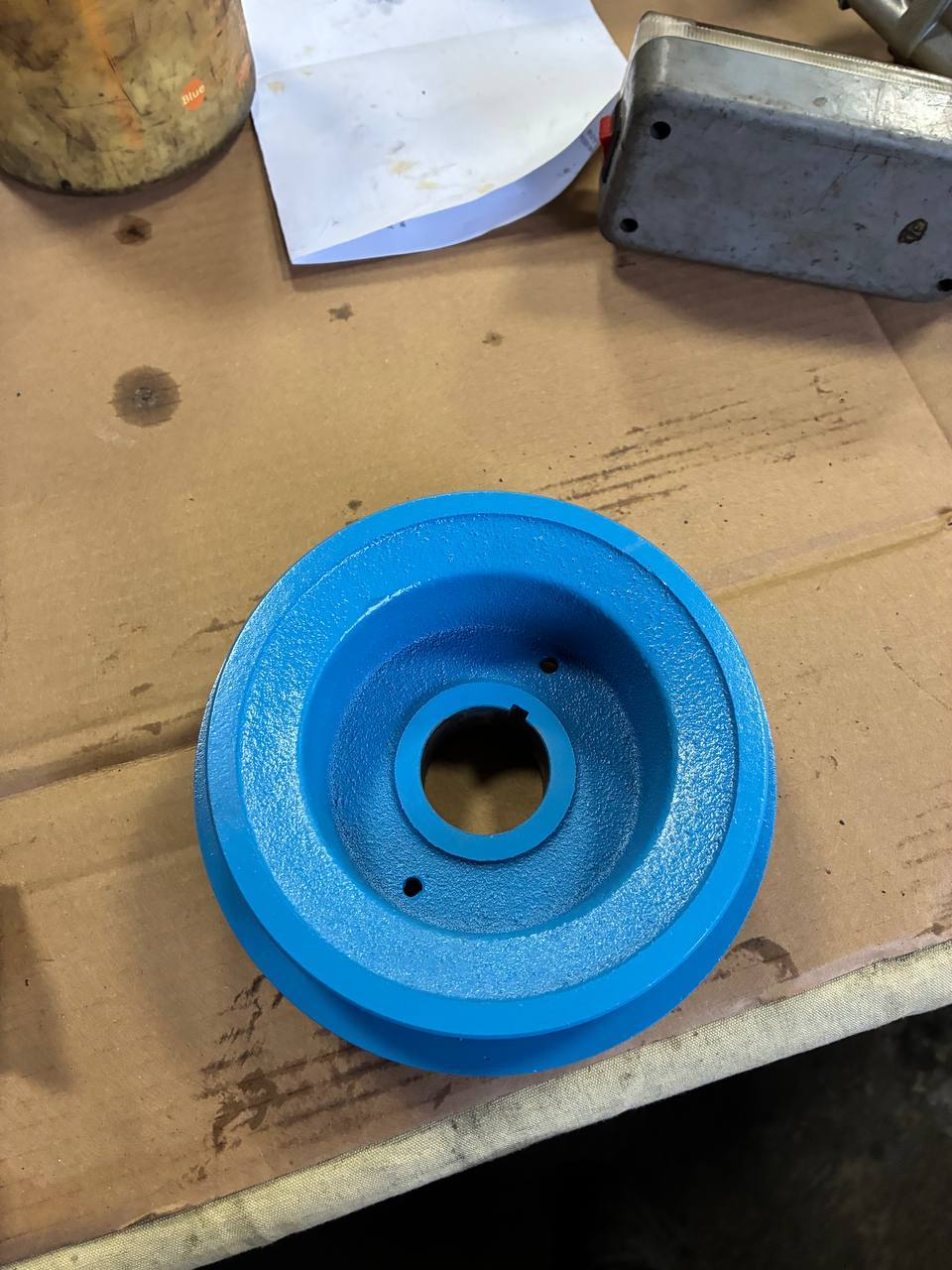
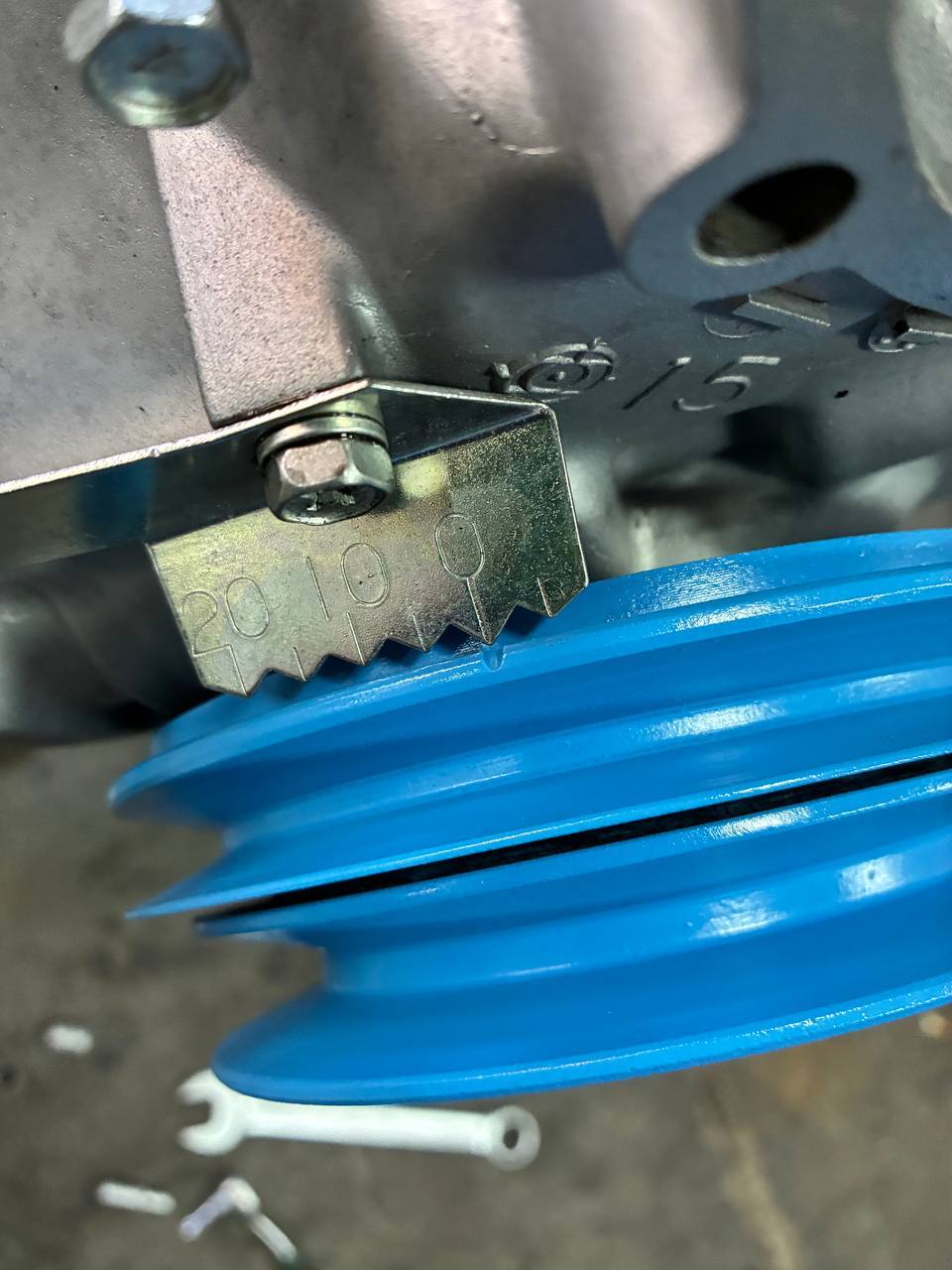
With everything cleaned to bare metal, the engine was refinished in factory-correct colours — not rattle-canned, but finished the way Datsun intended. The block was sprayed in correct Datsun engine blue, the "NISSAN OHC" cam cover in red with the raised lettering picked out, the front timing cover left in its natural cast-aluminium finish, and the oil pan in gloss black. The crank pulley was refinished in matching blue. The result is a clean, correct, period-style engine that looks as good as it runs — exactly the detail a knowledgeable Z buyer looks for.
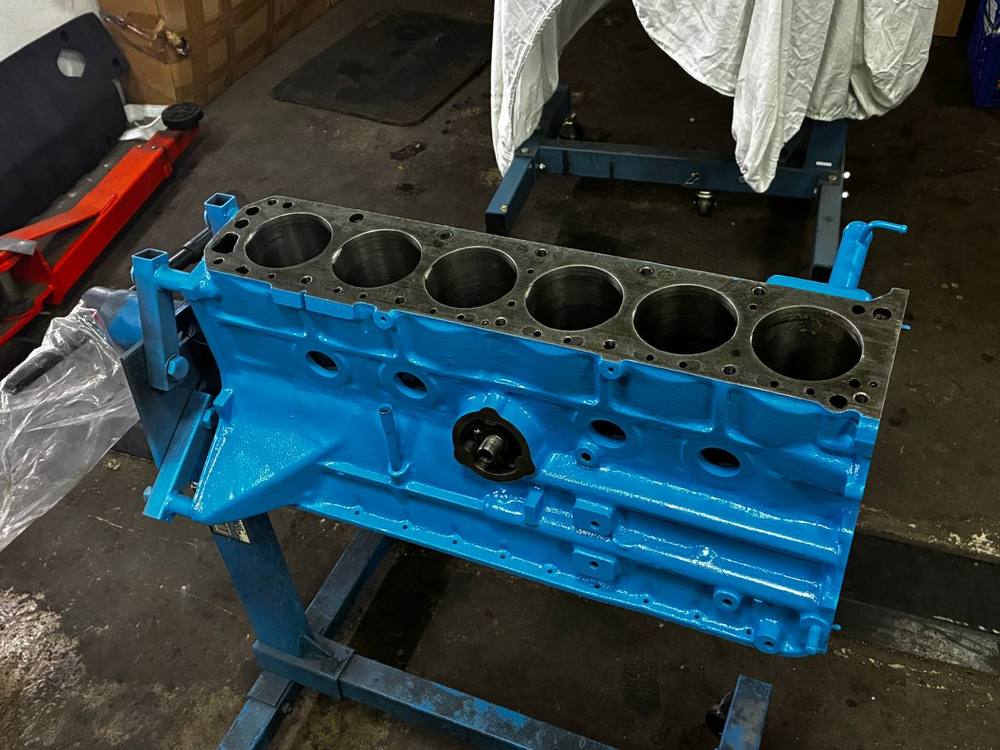
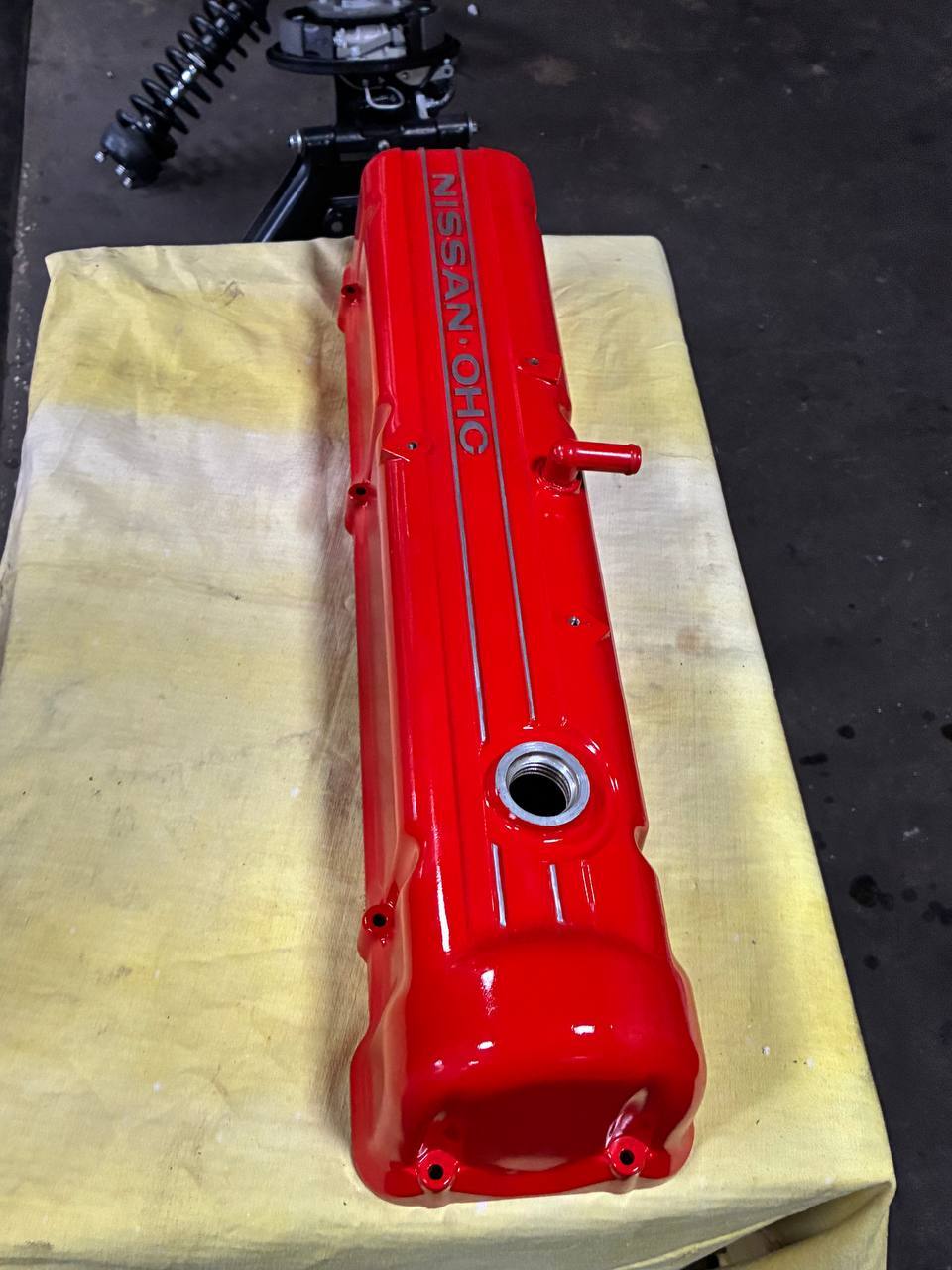
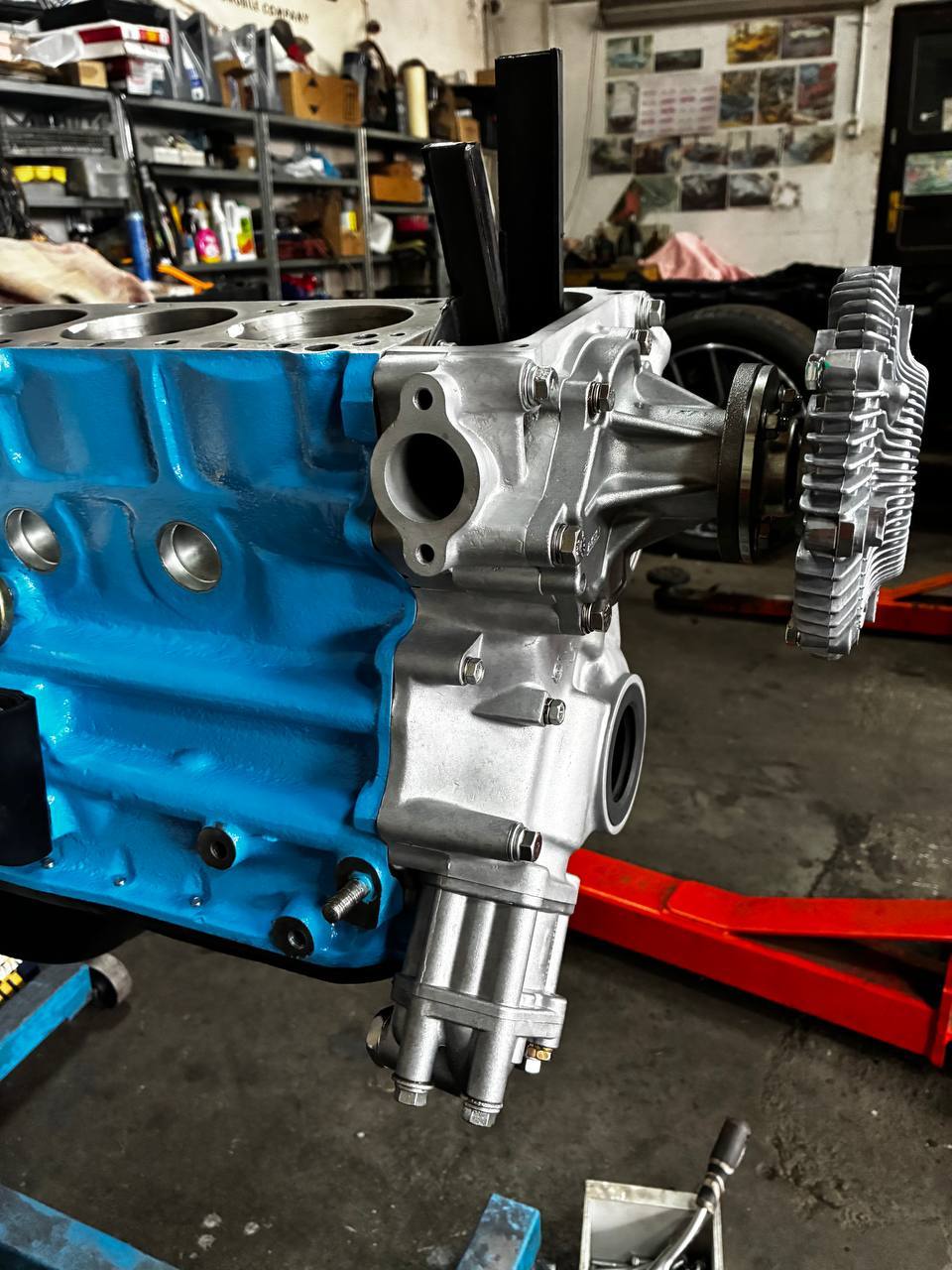
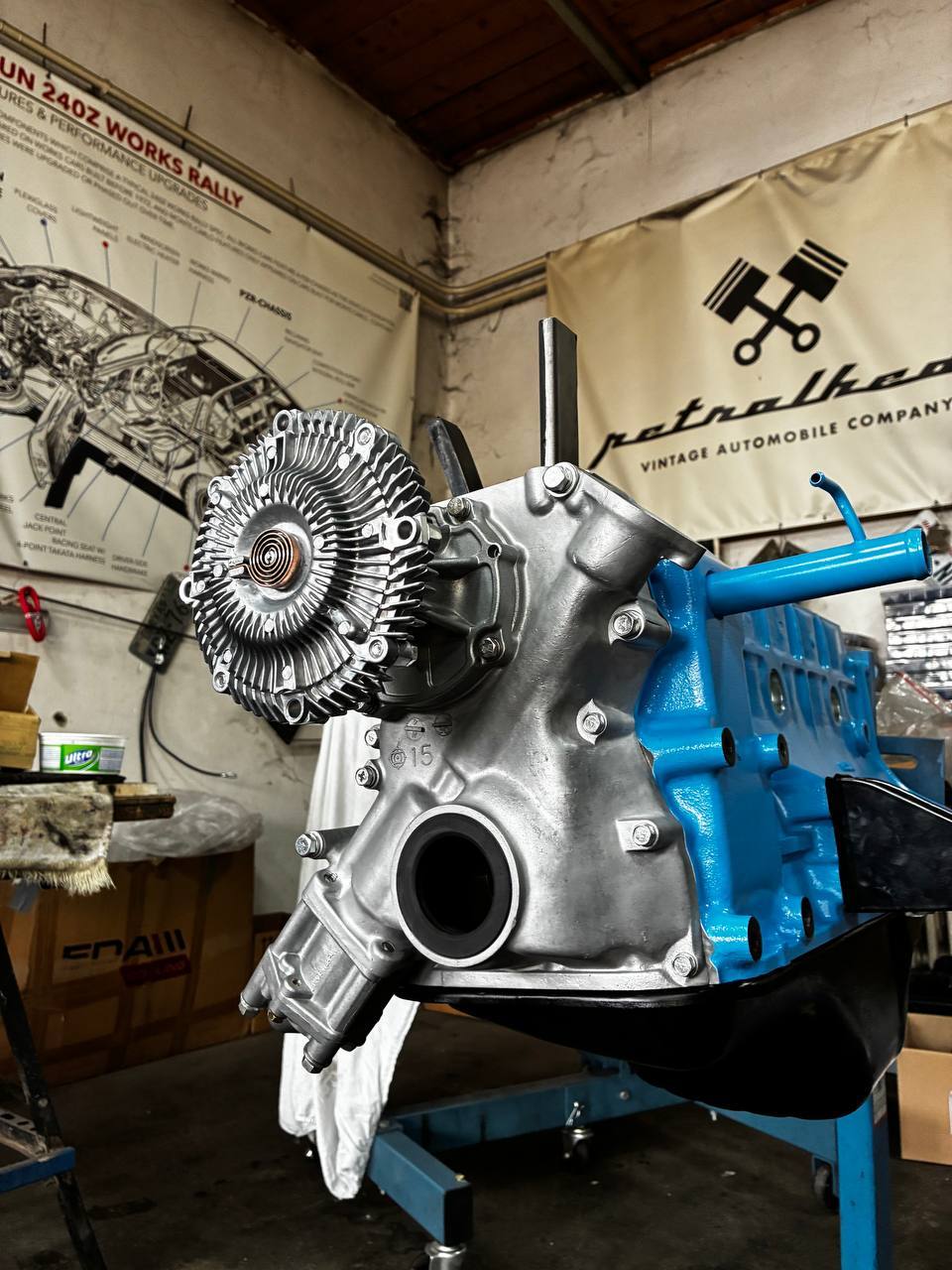
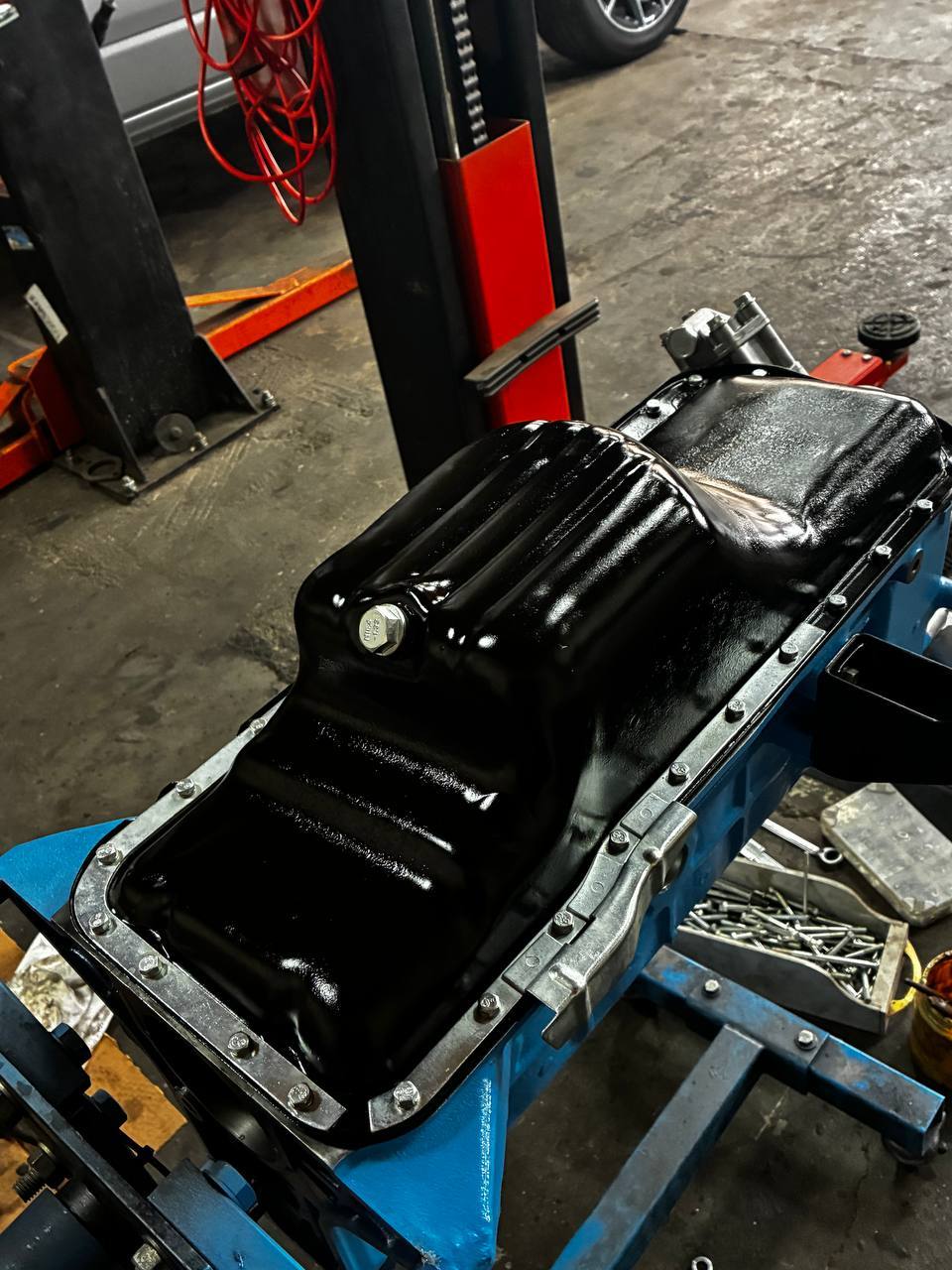
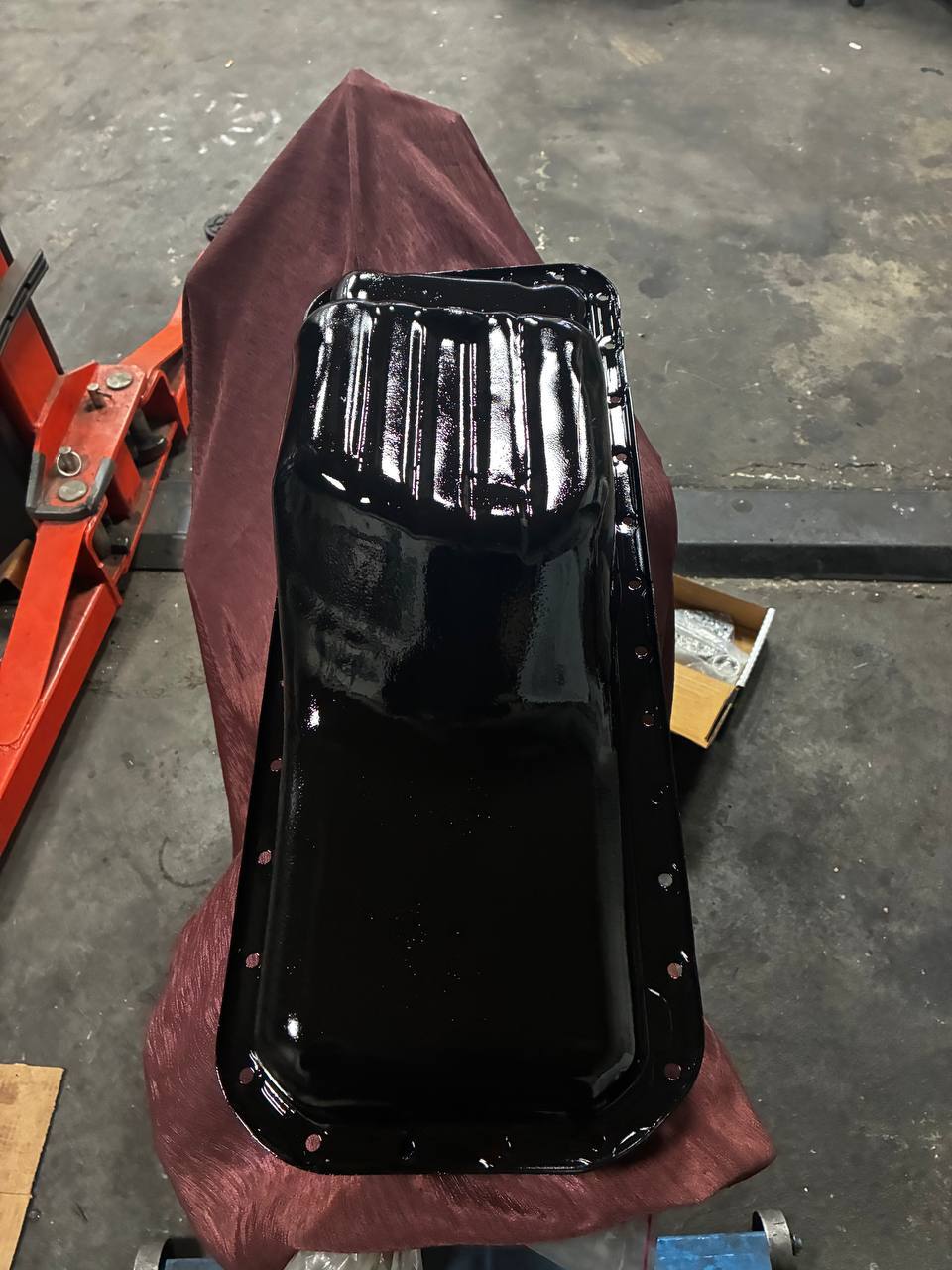
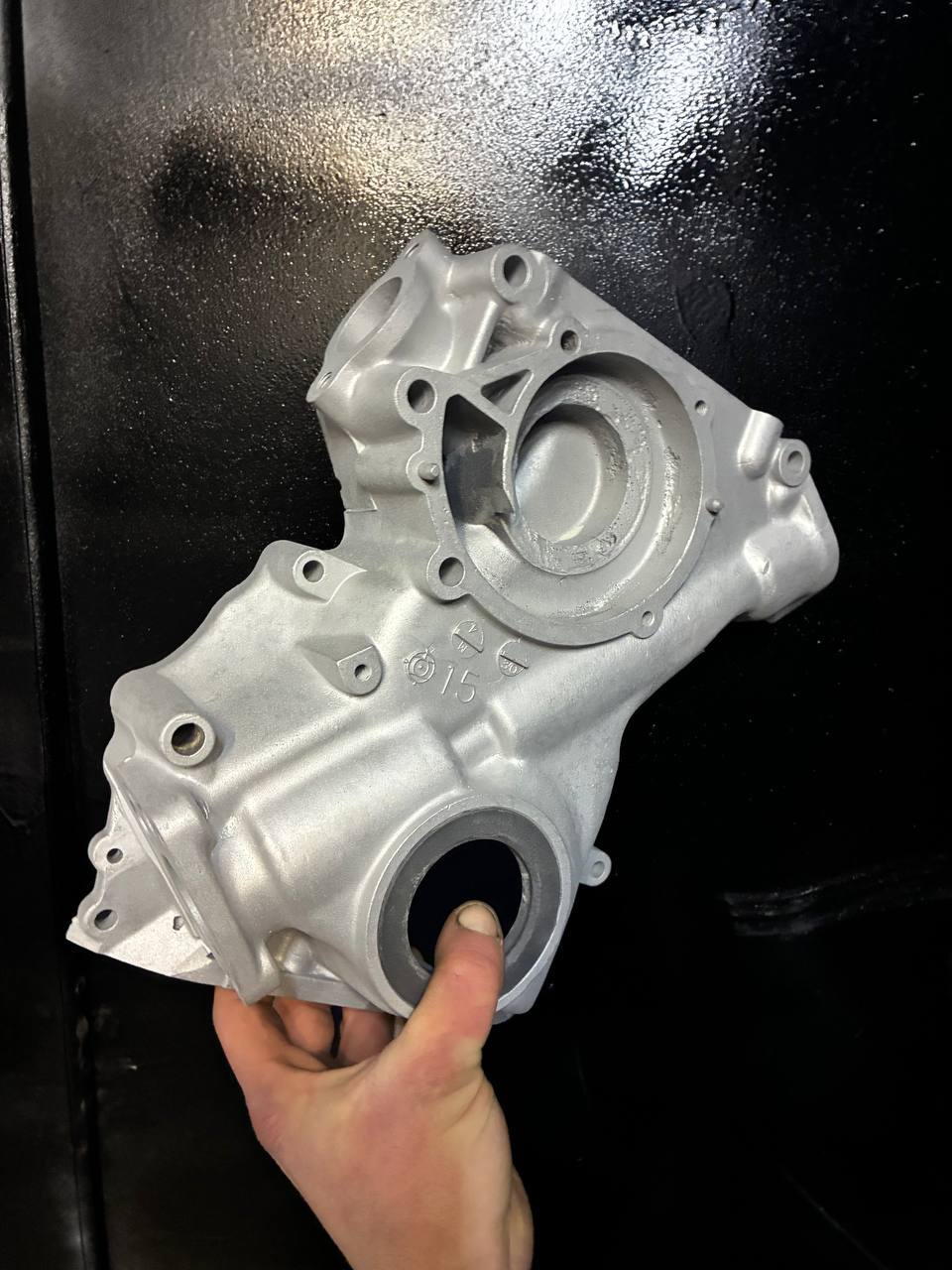
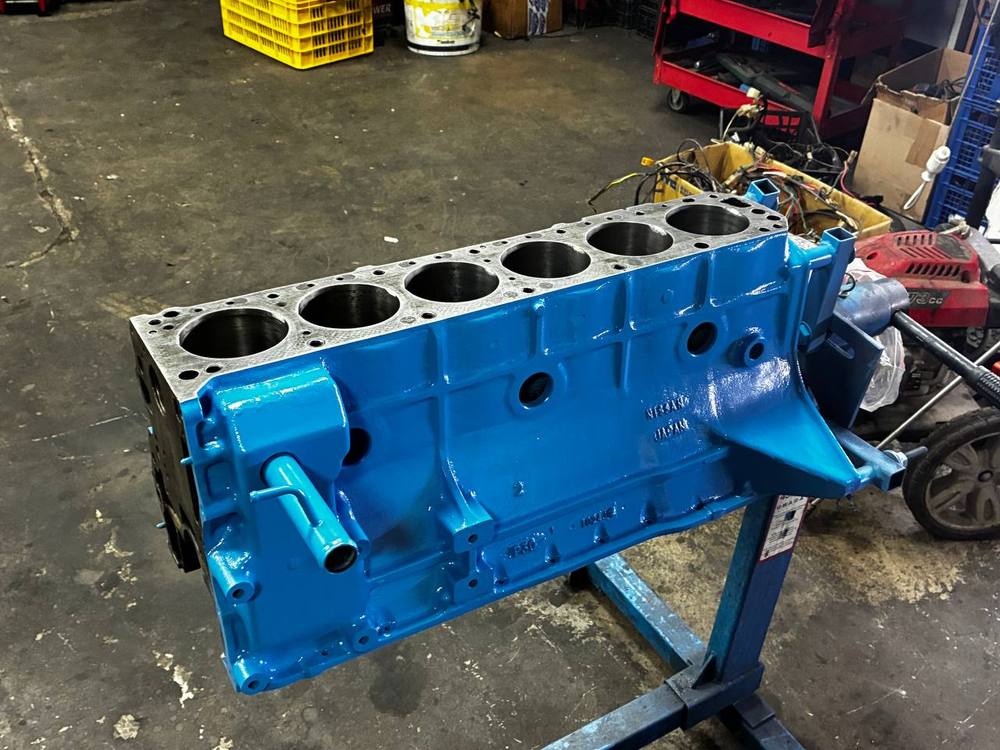
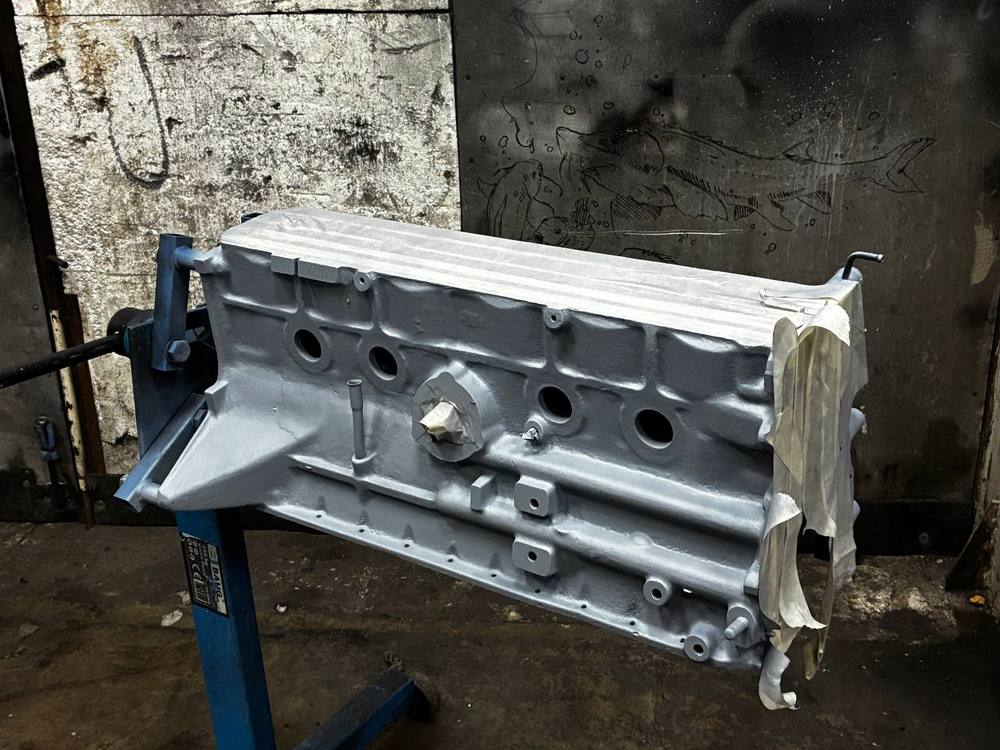
- Block refinished in factory-correct Datsun engine blue
- Red NISSAN OHC cam cover with picked-out lettering
- Front timing cover in natural cast-aluminium finish
- Gloss-black oil pan and matching blue crank pulley
Precision Measured Assembly
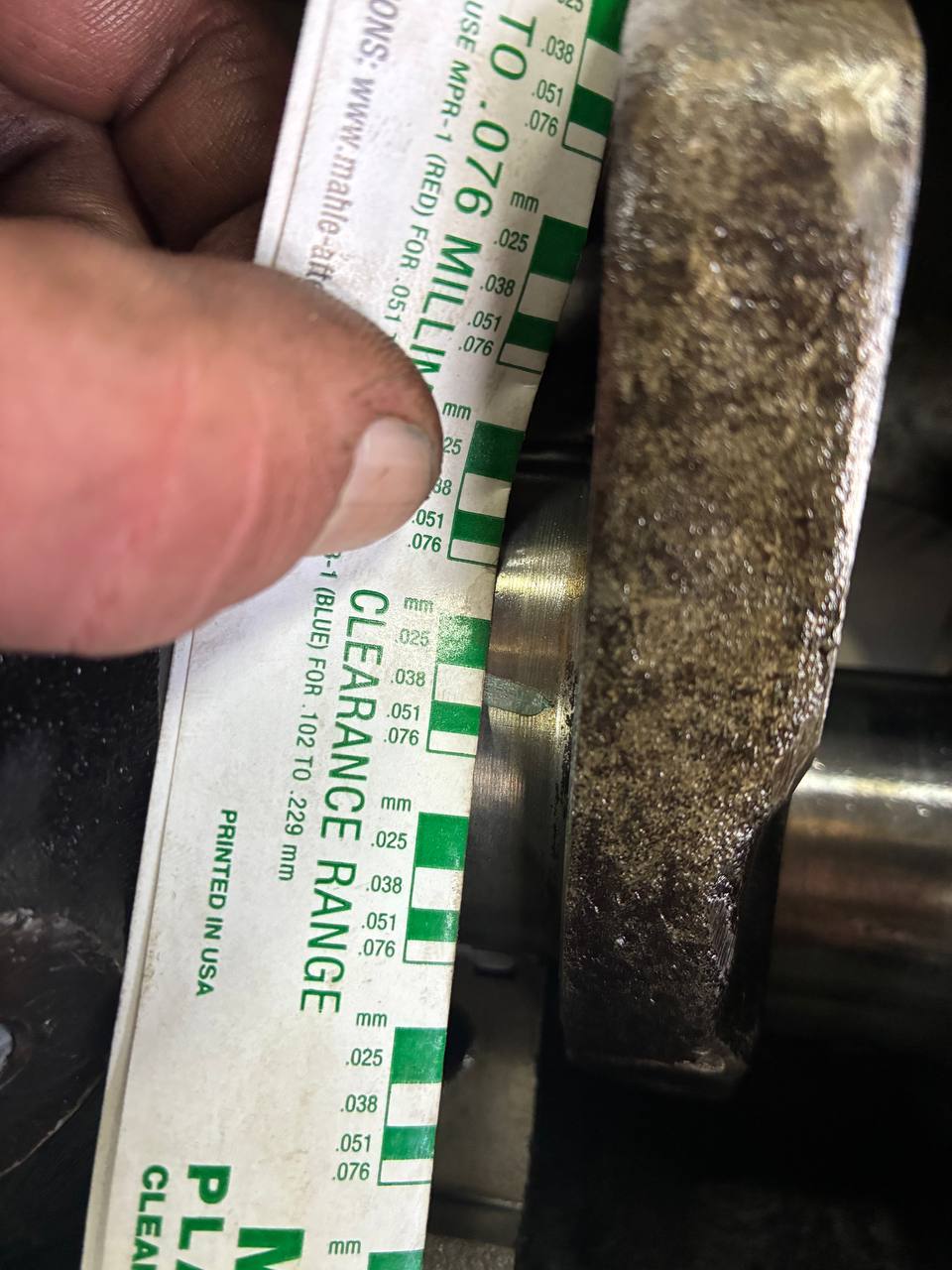
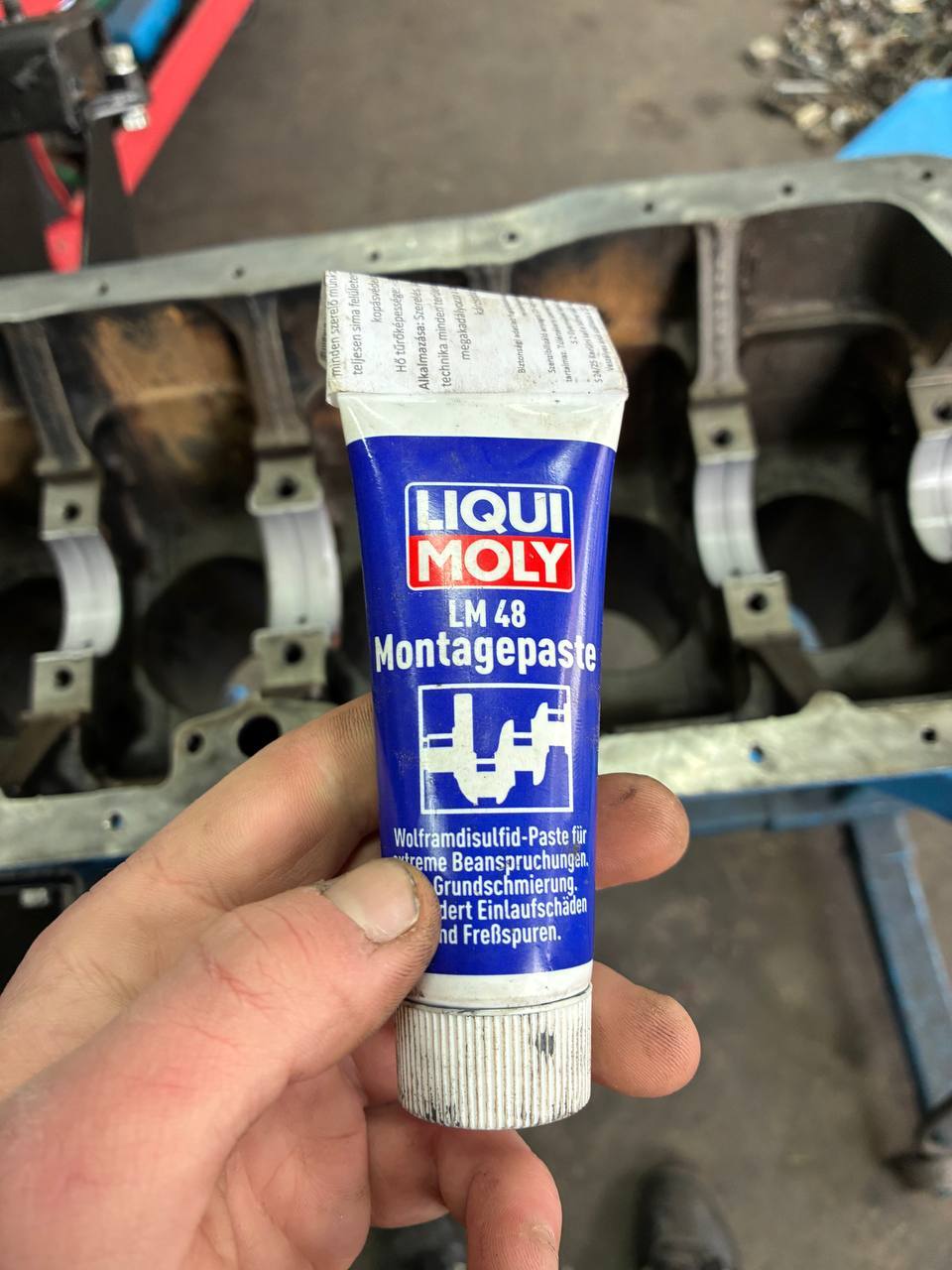
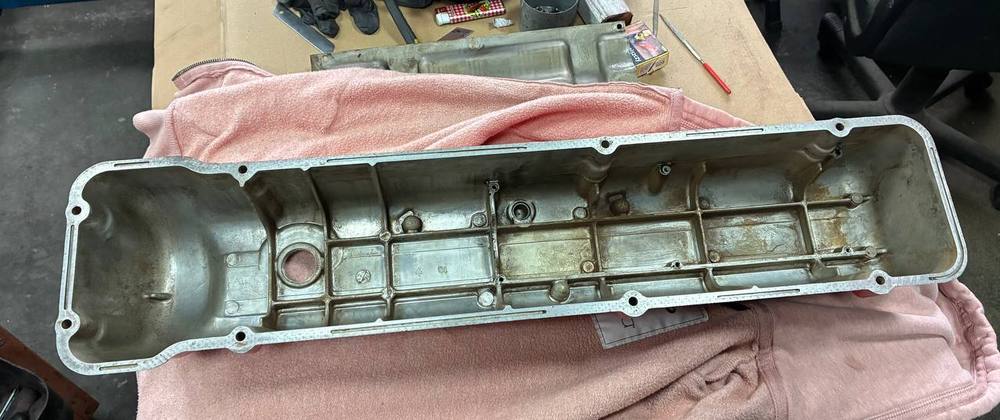
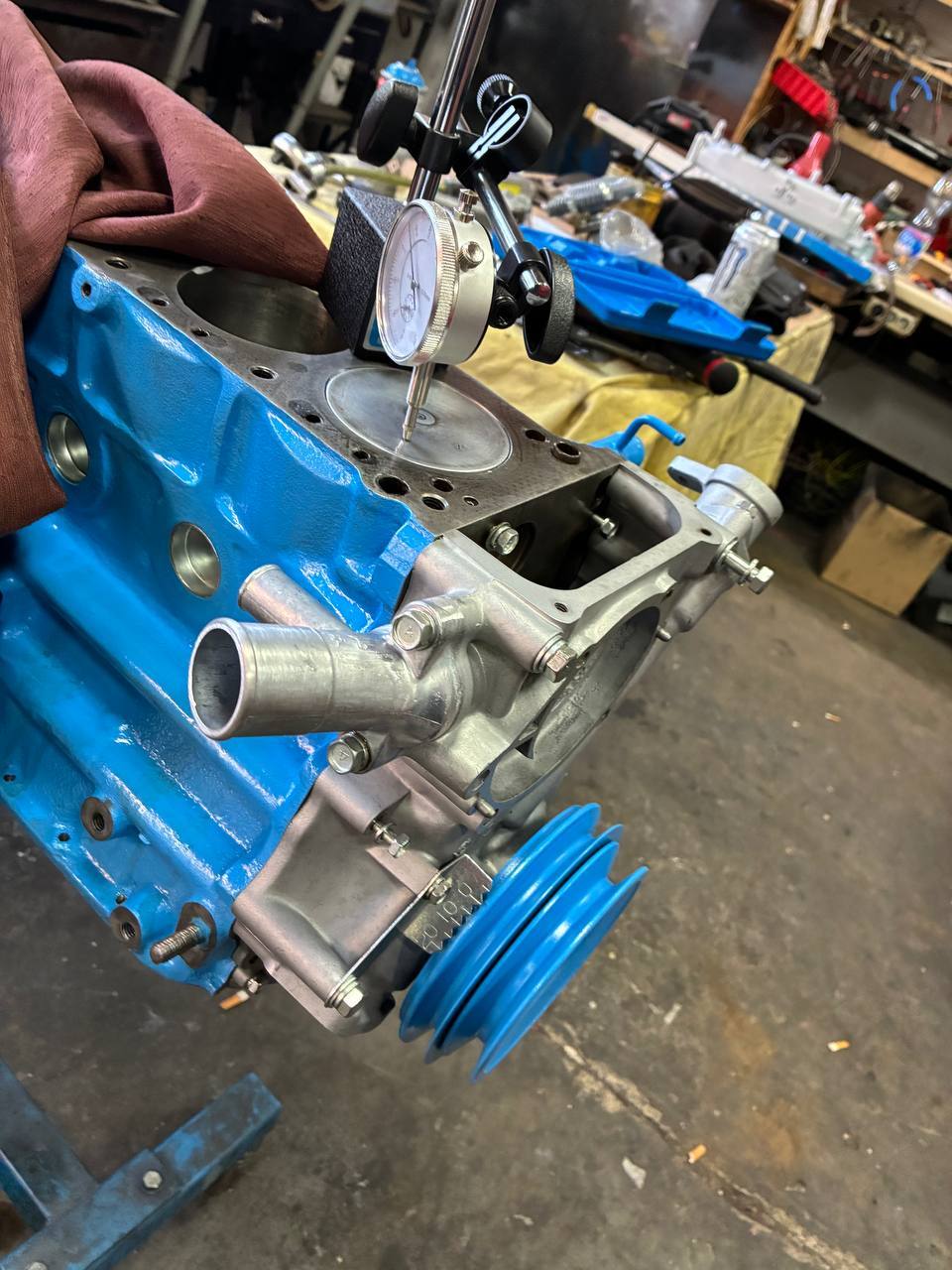
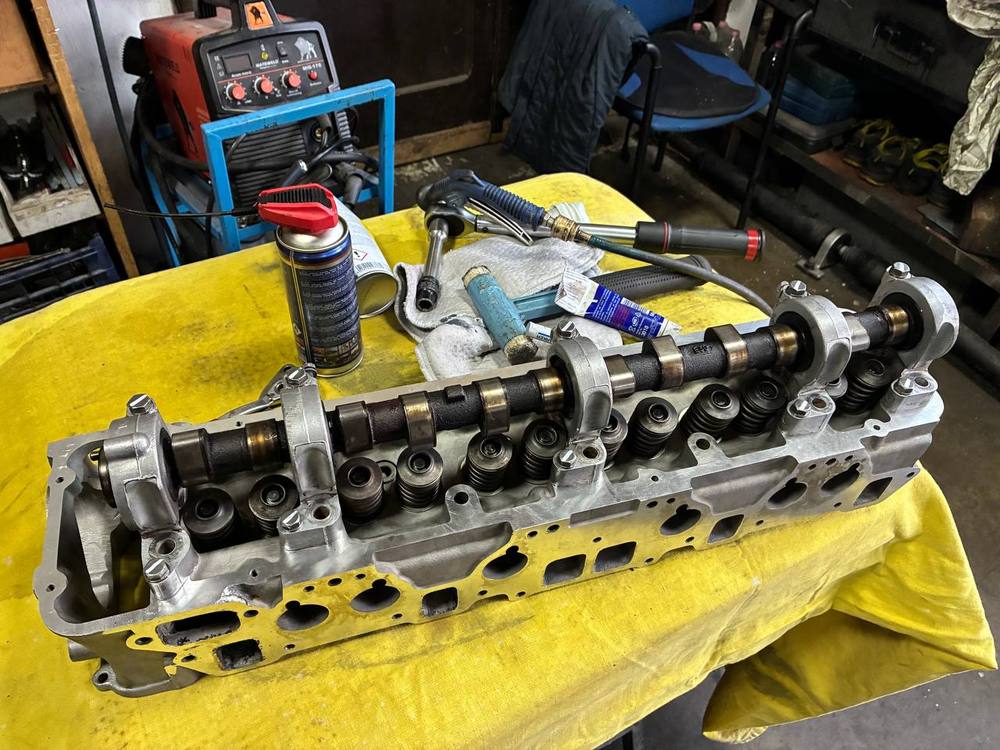
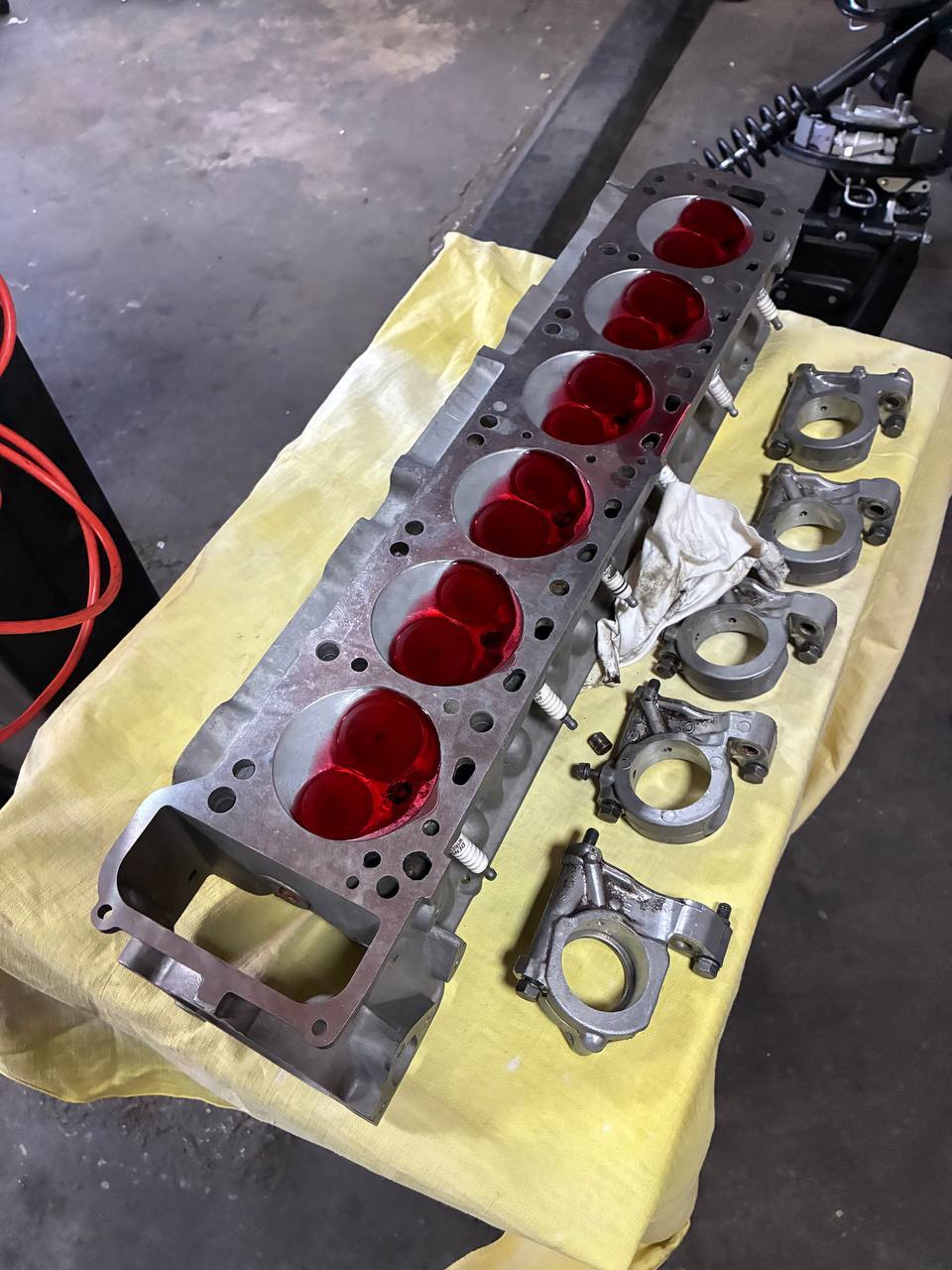
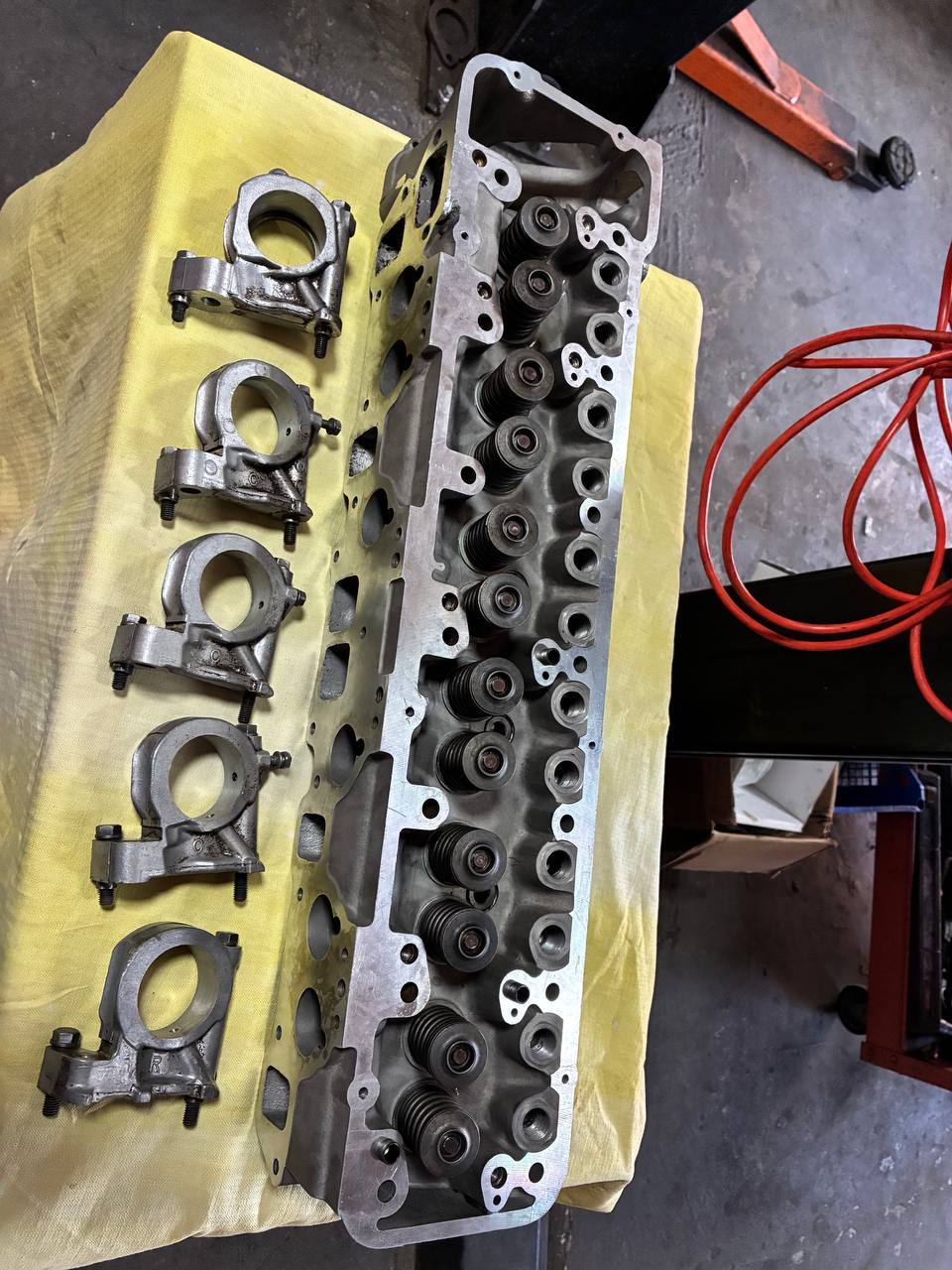
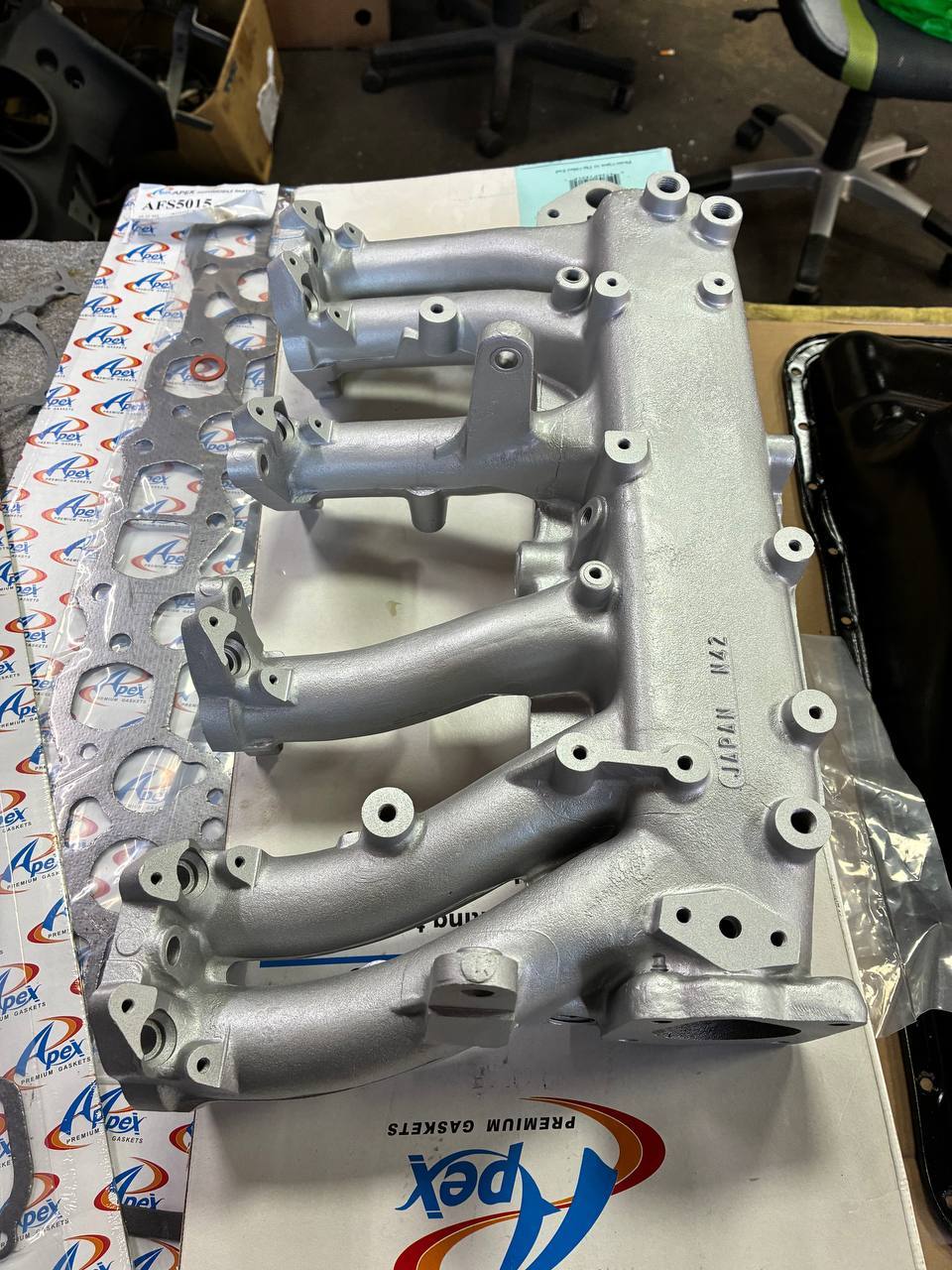
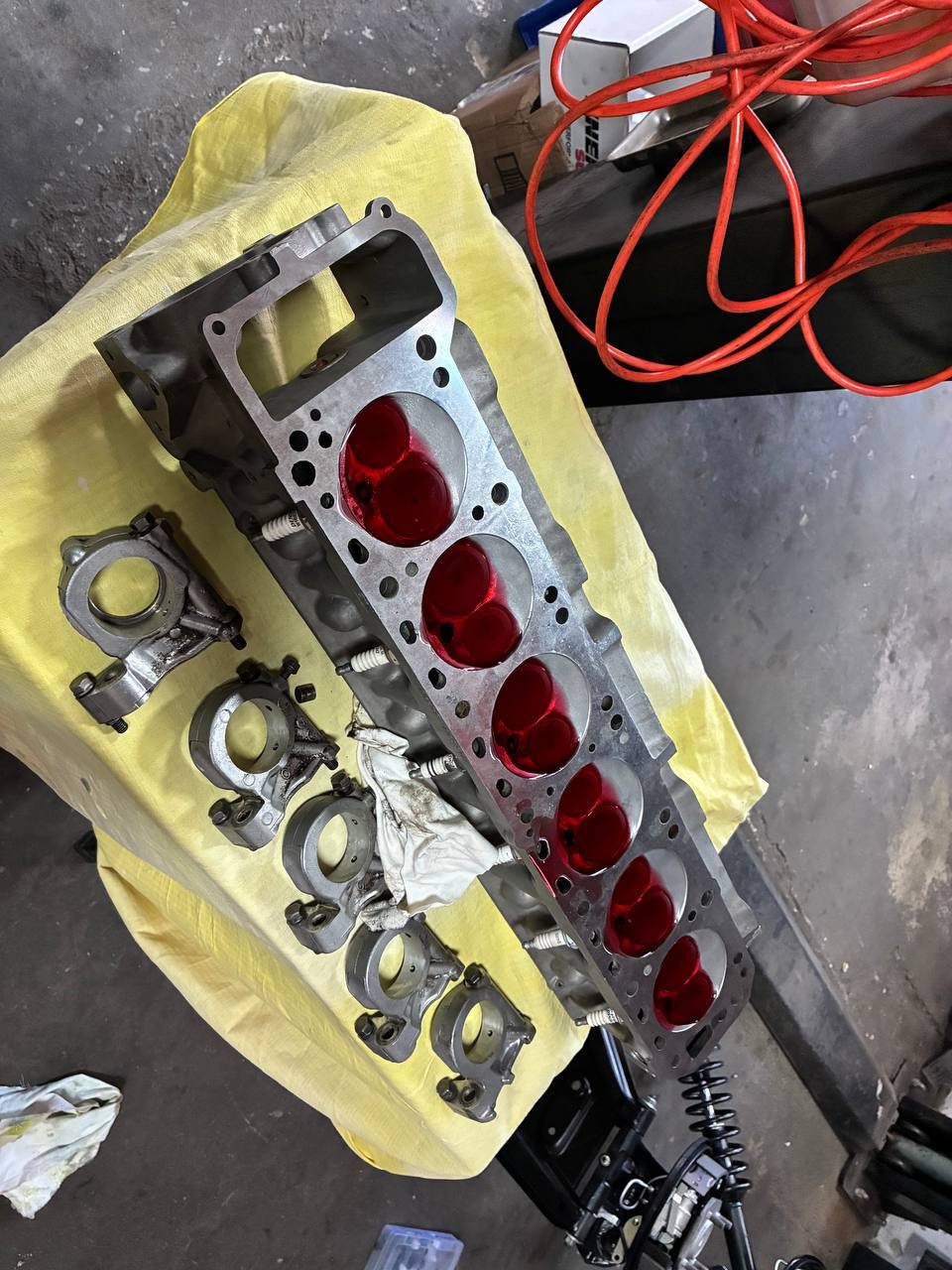
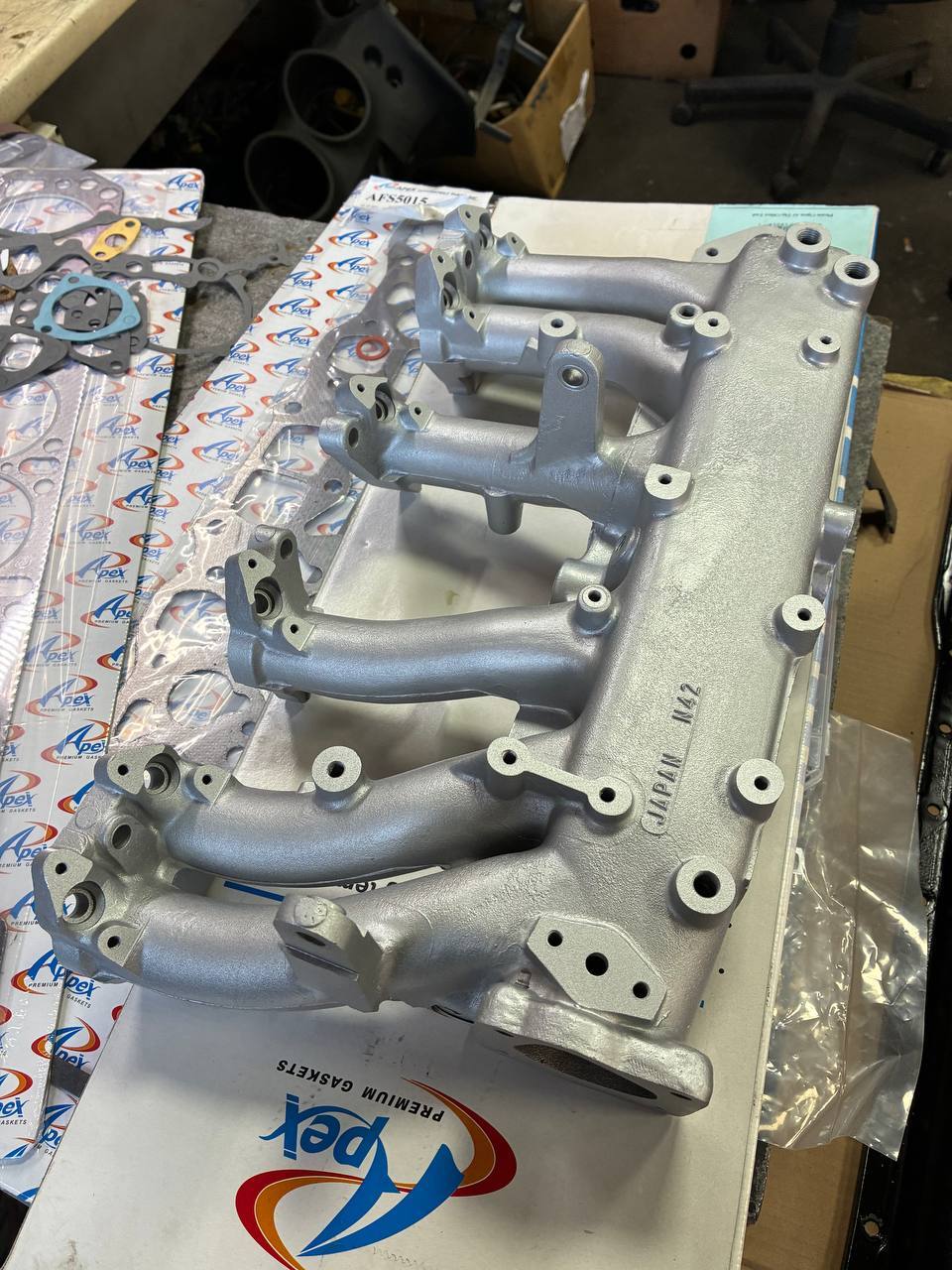
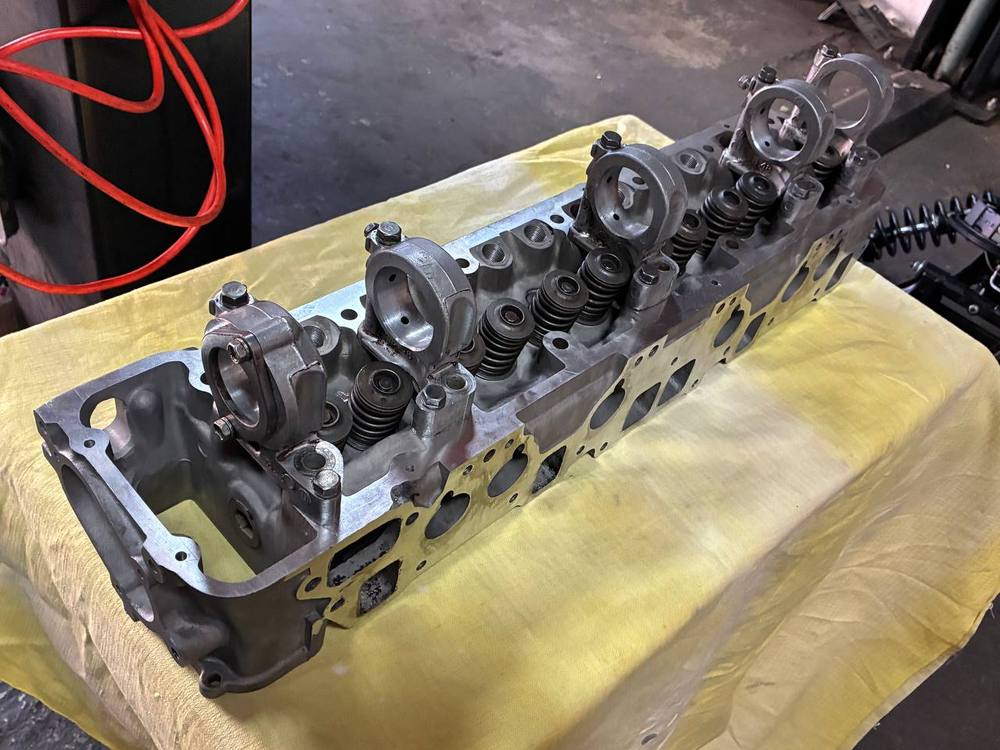
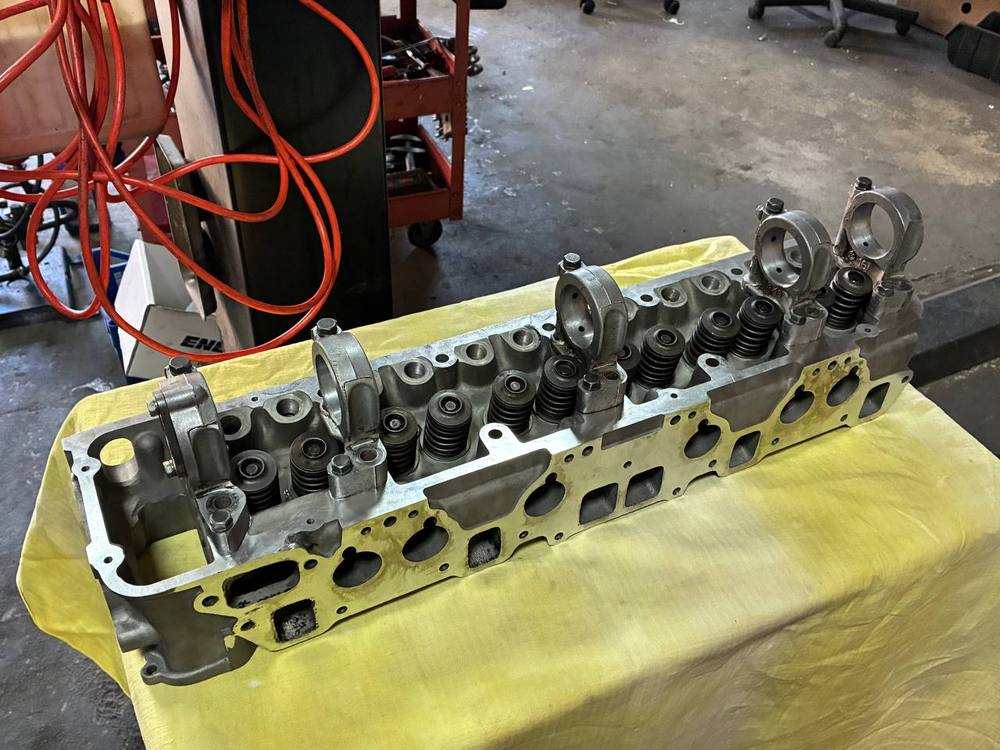
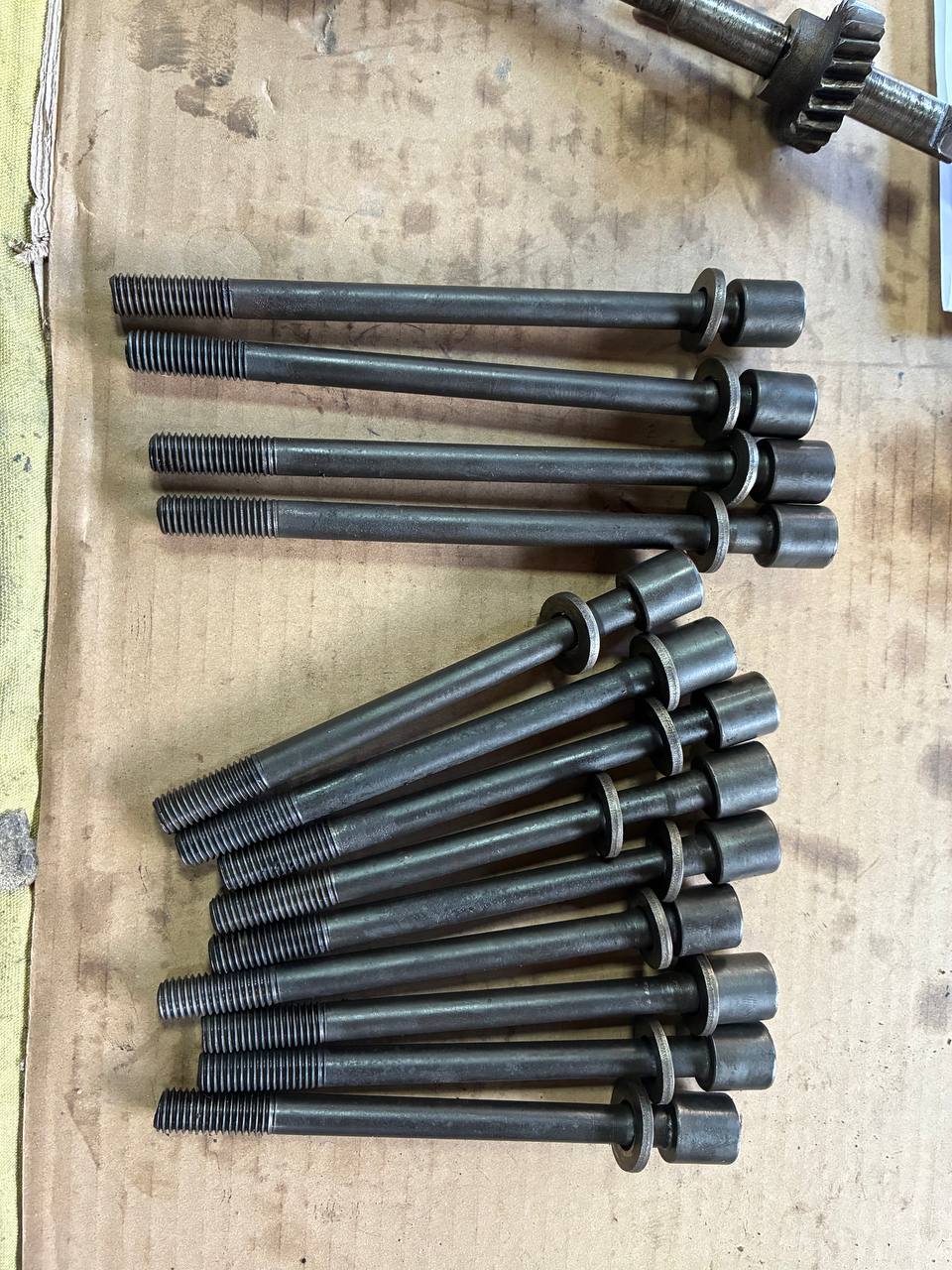
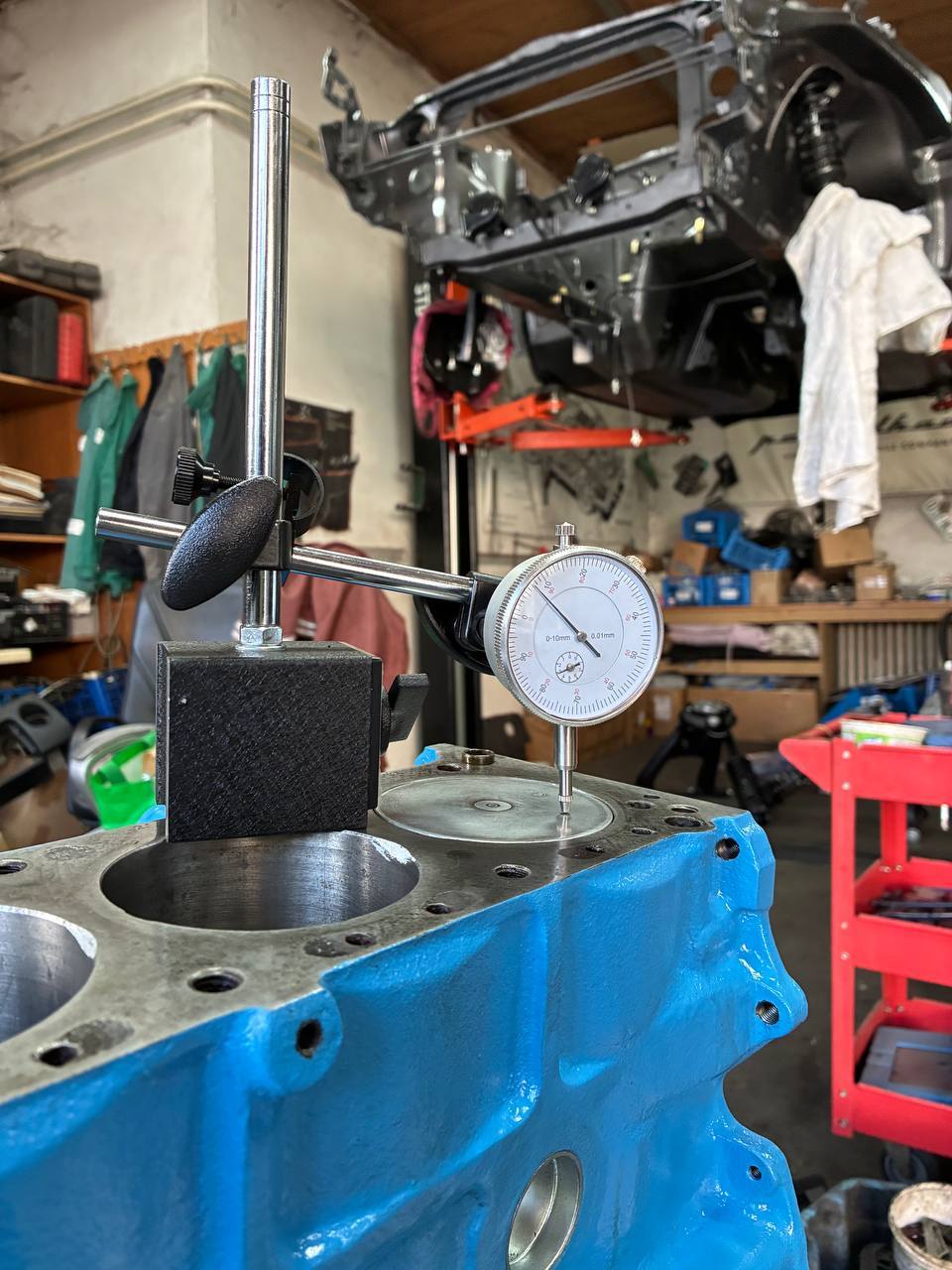
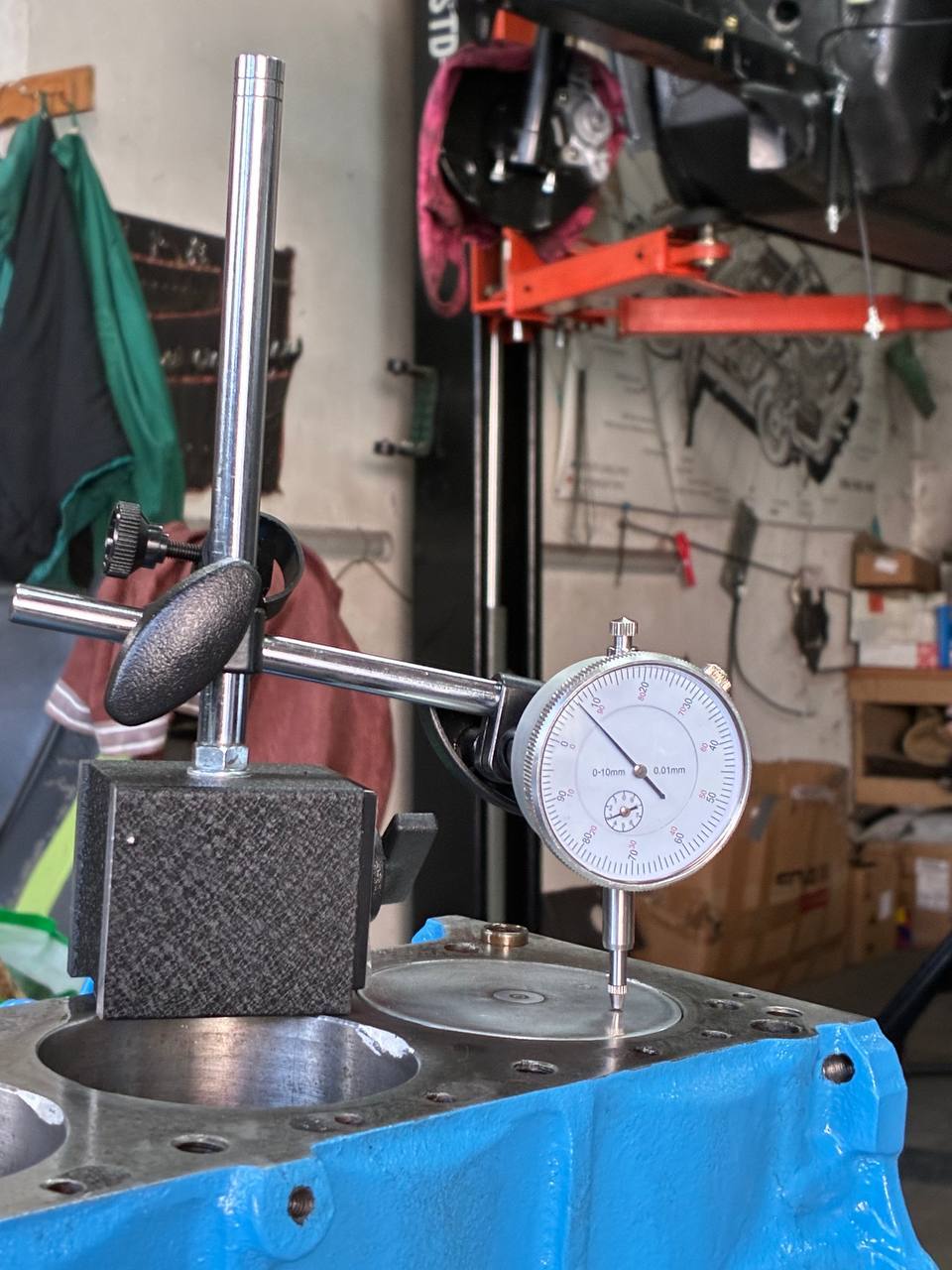
This is where a rebuild is made or lost. The bottom end was assembled with NOS MAHLE/Clevite main bearings and King conrod bearings, with bearing clearances verified using Plastigauge and the block deck checked with a dial indicator — measured, not guessed. The engine runs flat-top pistons with genuine Nissan OEM piston rings, sealed with a NOS made-in-Japan head gasket and torqued down on a fresh set of head bolts. Moly assembly paste protects the bearings and journals at first start-up, and new seals were fitted throughout. The N42 cylinder head and matching N42 intake manifold were rebuilt with new valve guides and brand-new valve seats, pressure-tested, resurfaced, and fitted with new Apex gaskets.
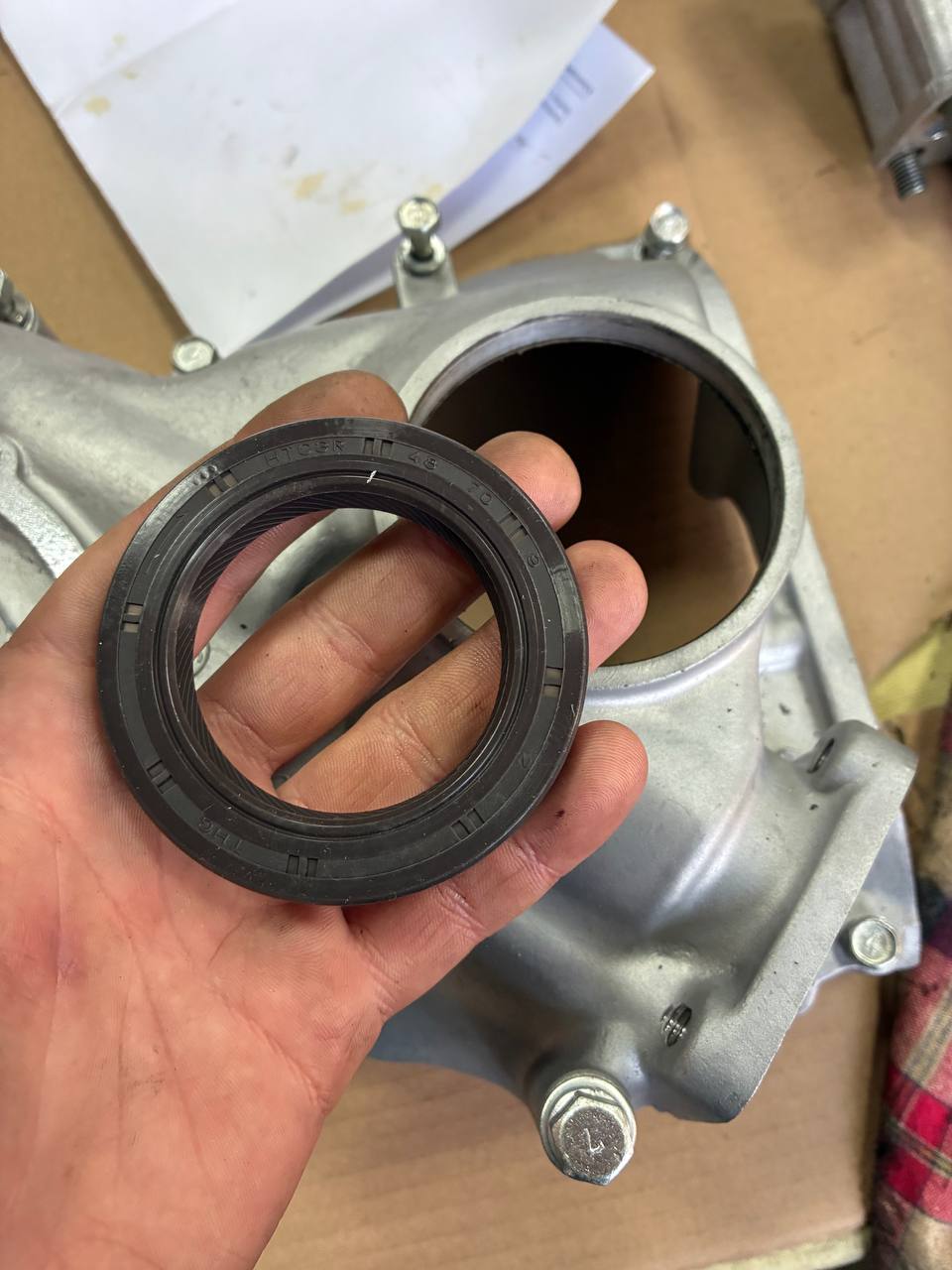
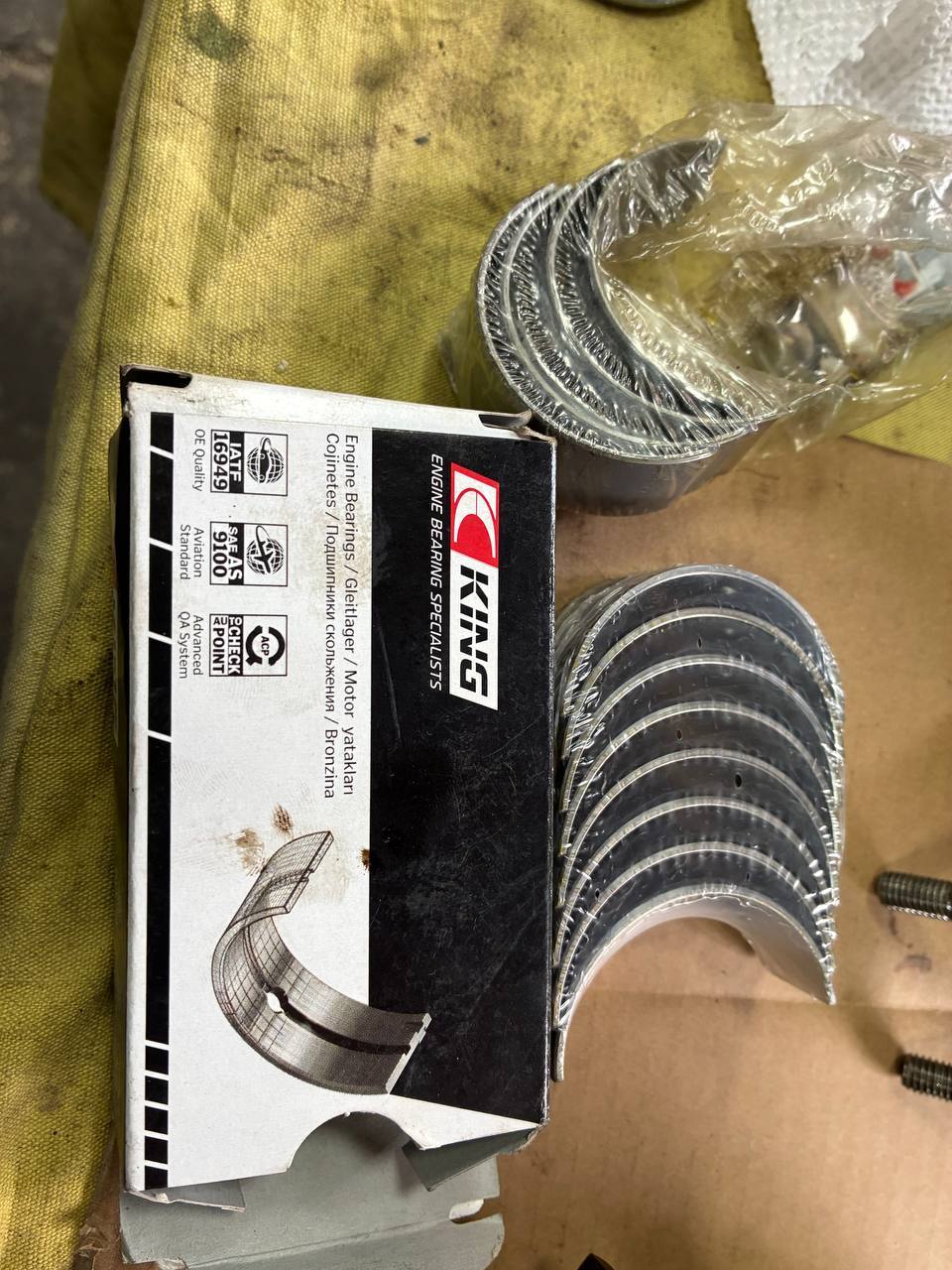
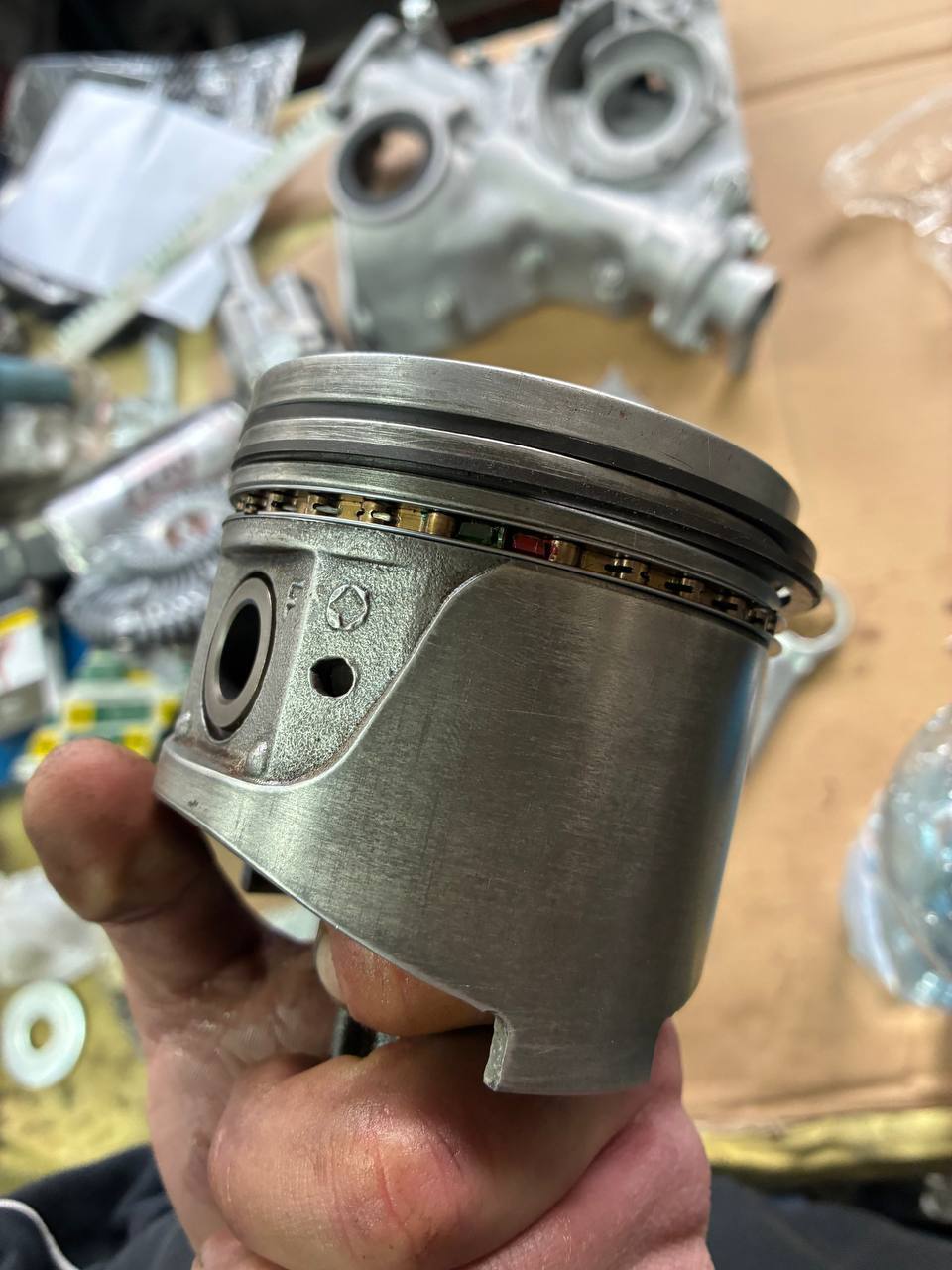
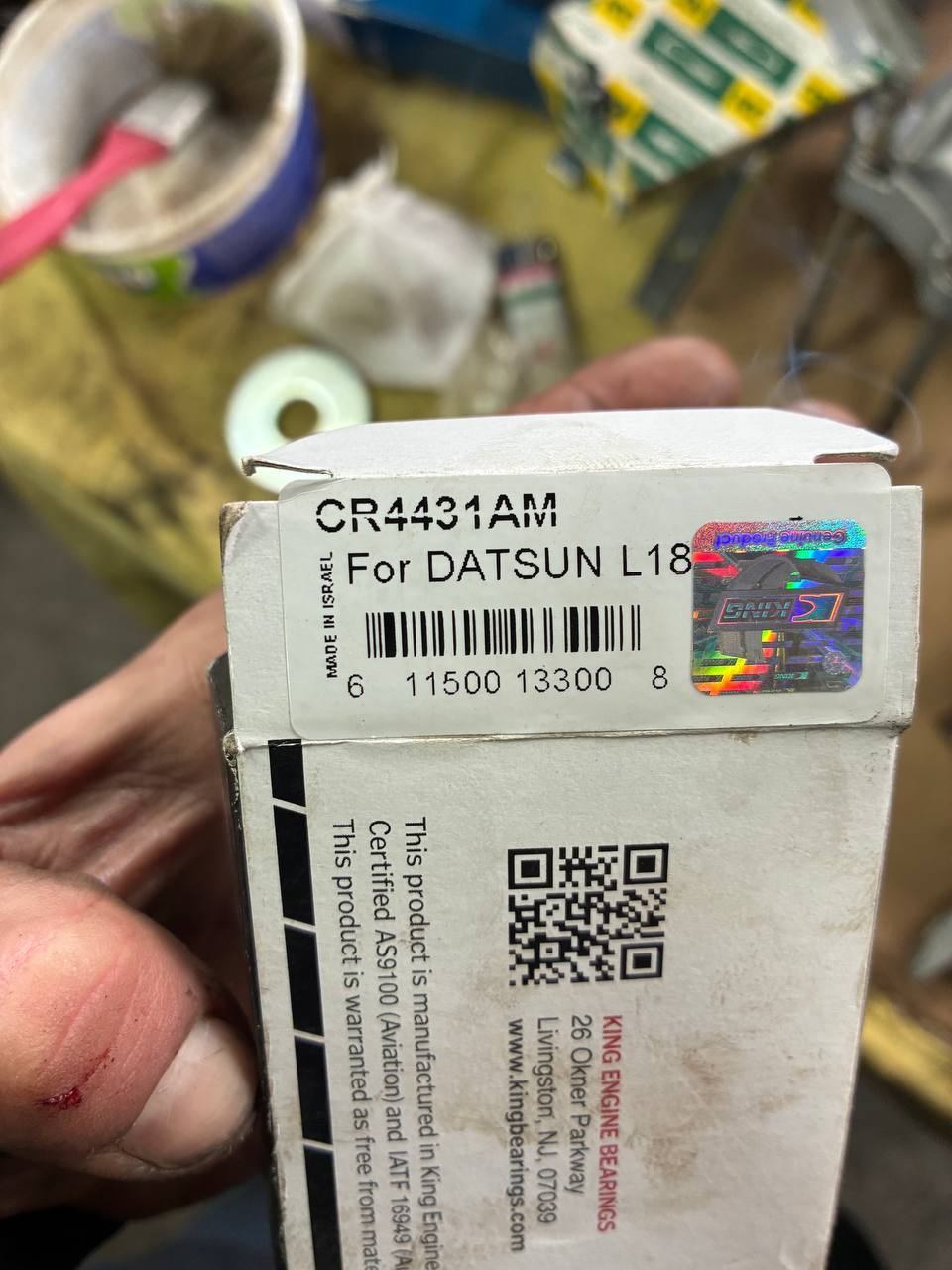
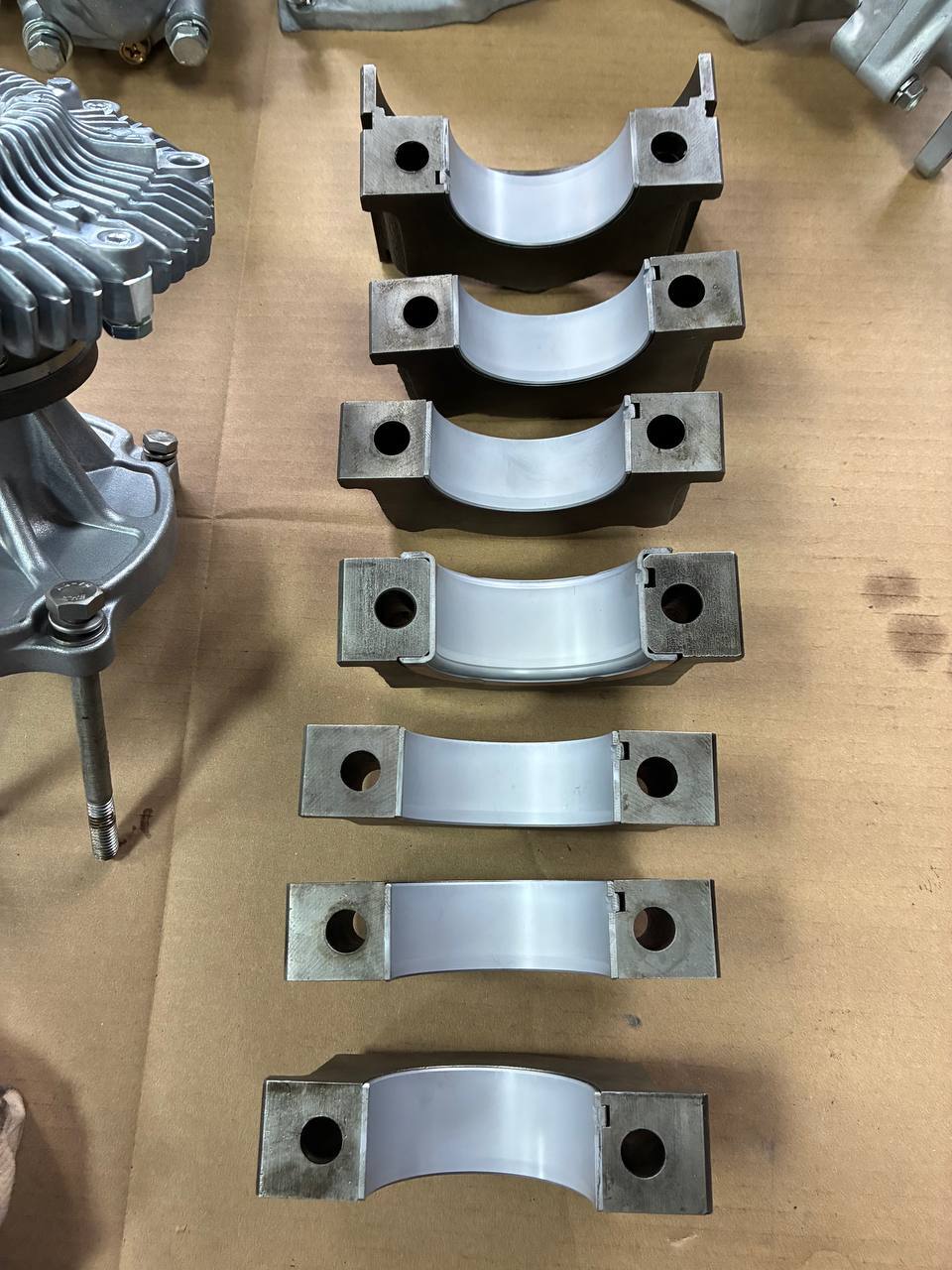
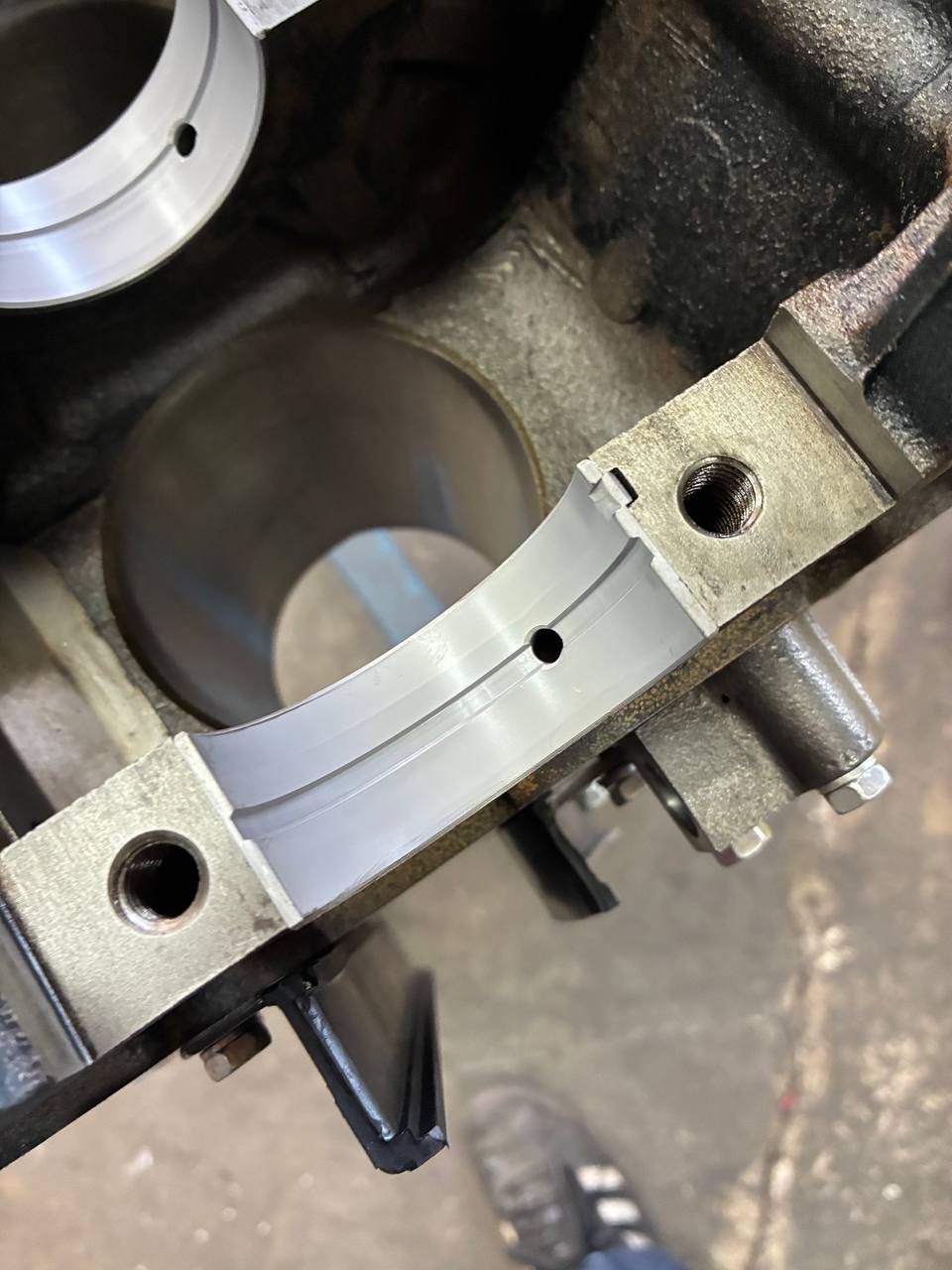
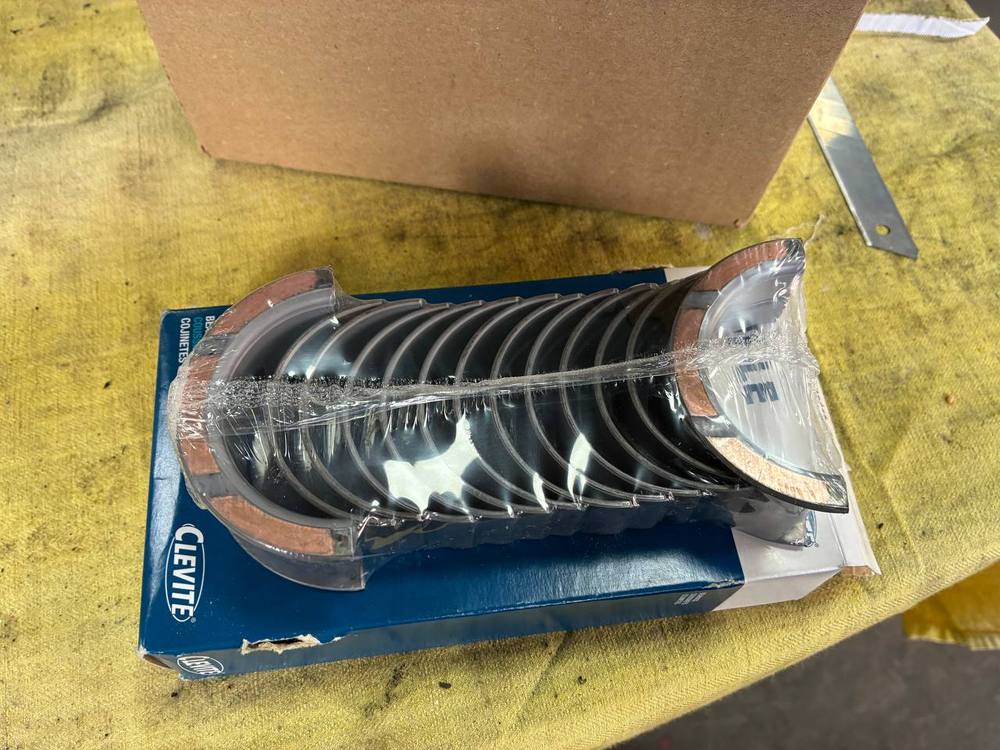
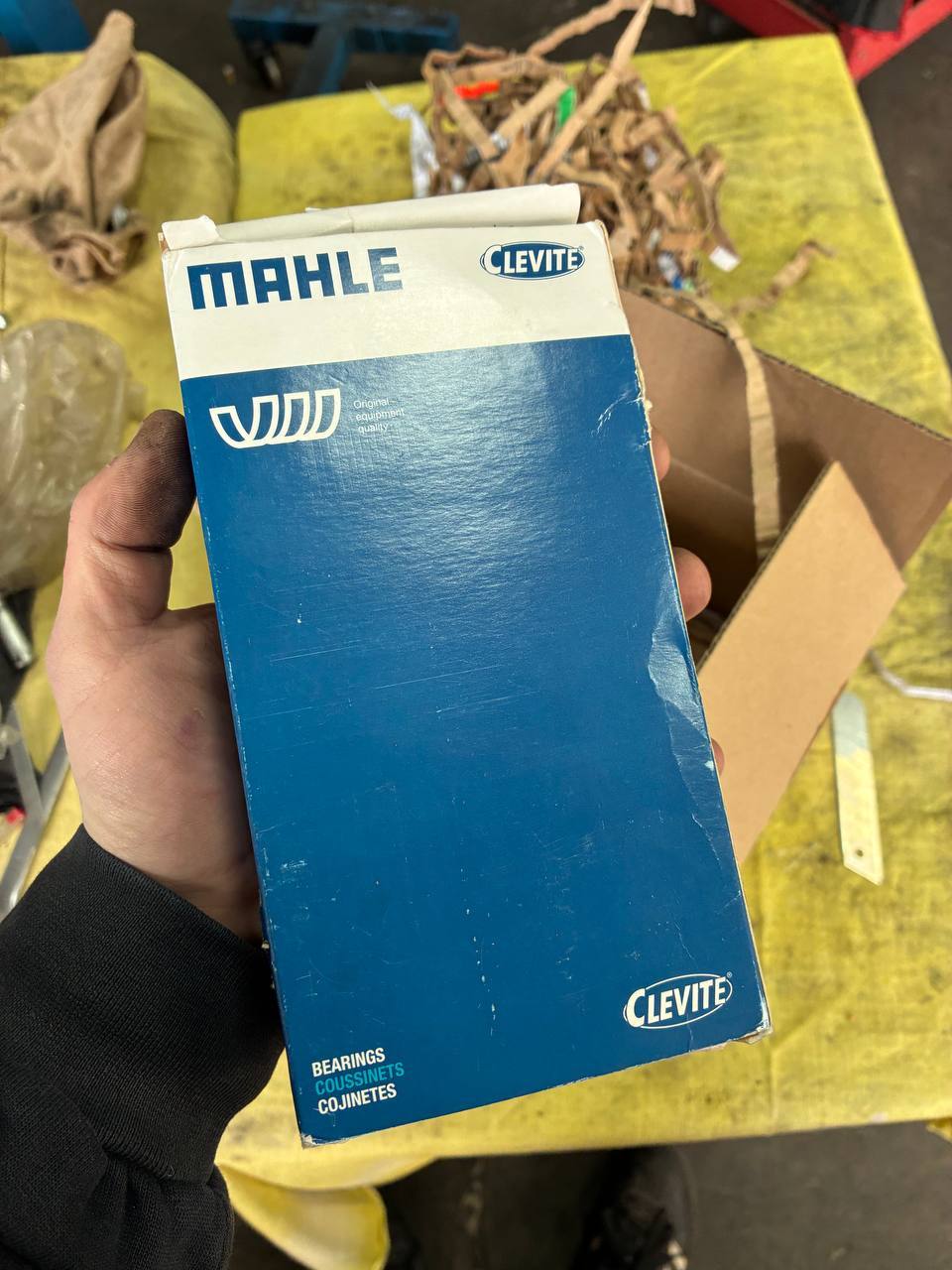
- NOS MAHLE/Clevite main bearings and King conrod bearings
- Bearing clearances verified with Plastigauge
- Block deck checked with a dial indicator
- Flat-top pistons with genuine Nissan OEM piston rings
- NOS made-in-Japan head gasket and new head bolts
- Moly assembly paste and new seals throughout
- N42 head and intake rebuilt — new guides, new seats, new Apex gaskets
From SU Carburettors to Bosch Fuel Injection
The original SU carburettors were removed in favour of a modern fuel-injection setup. The late 240Z's flat-top SUs are full of character but demand constant tuning, struggle with cold starts, and drift out of balance over time. In their place, this engine now runs Bosch high-capacity injectors fed by a billet fuel rail, with the points-style ignition replaced by electronic ignition. The result is easier starting in any weather, a smoother idle, stronger throttle response, and dependable running from cold mornings to long summer drives — a meaningful step up in everyday usability without changing the car's character.
Engine Rebuild Specification
1973 Datsun 240Z · Numbers-Matching L24 Engine Rebuild
The Finished Engine — Installed
The completed L24 now sits in the finished engine bay — the red OHC cam cover set against a refinished gunmetal bay, the N42 intake and Bosch injection on one side, electronic ignition and a new alloy radiator keeping it cool. It is the payoff for every stage that came before: a numbers-matching engine that honours the original character of the car while engineering out its known weak spots. This is a 240Z that is ready to be driven hard and trusted to get you home.
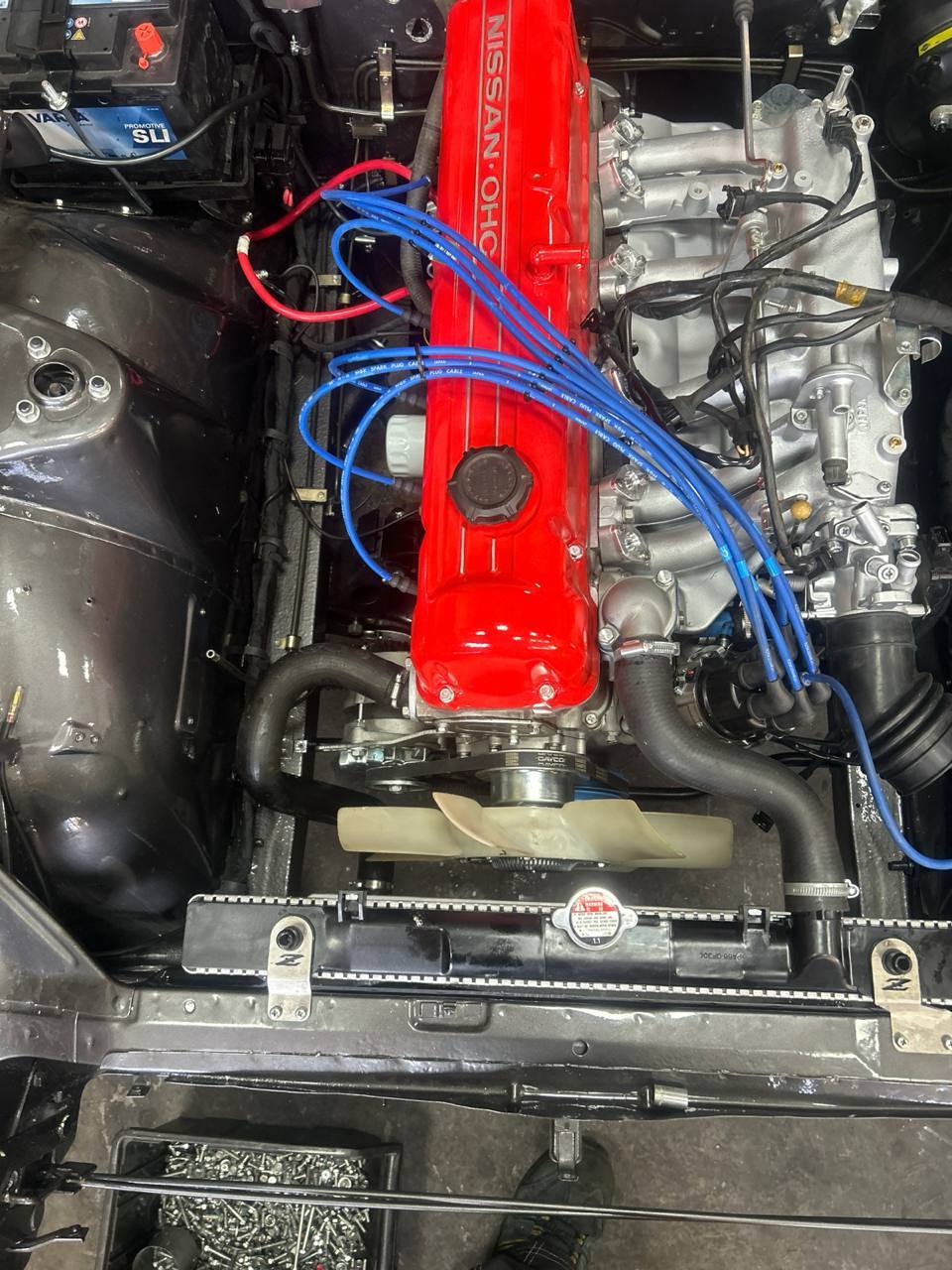
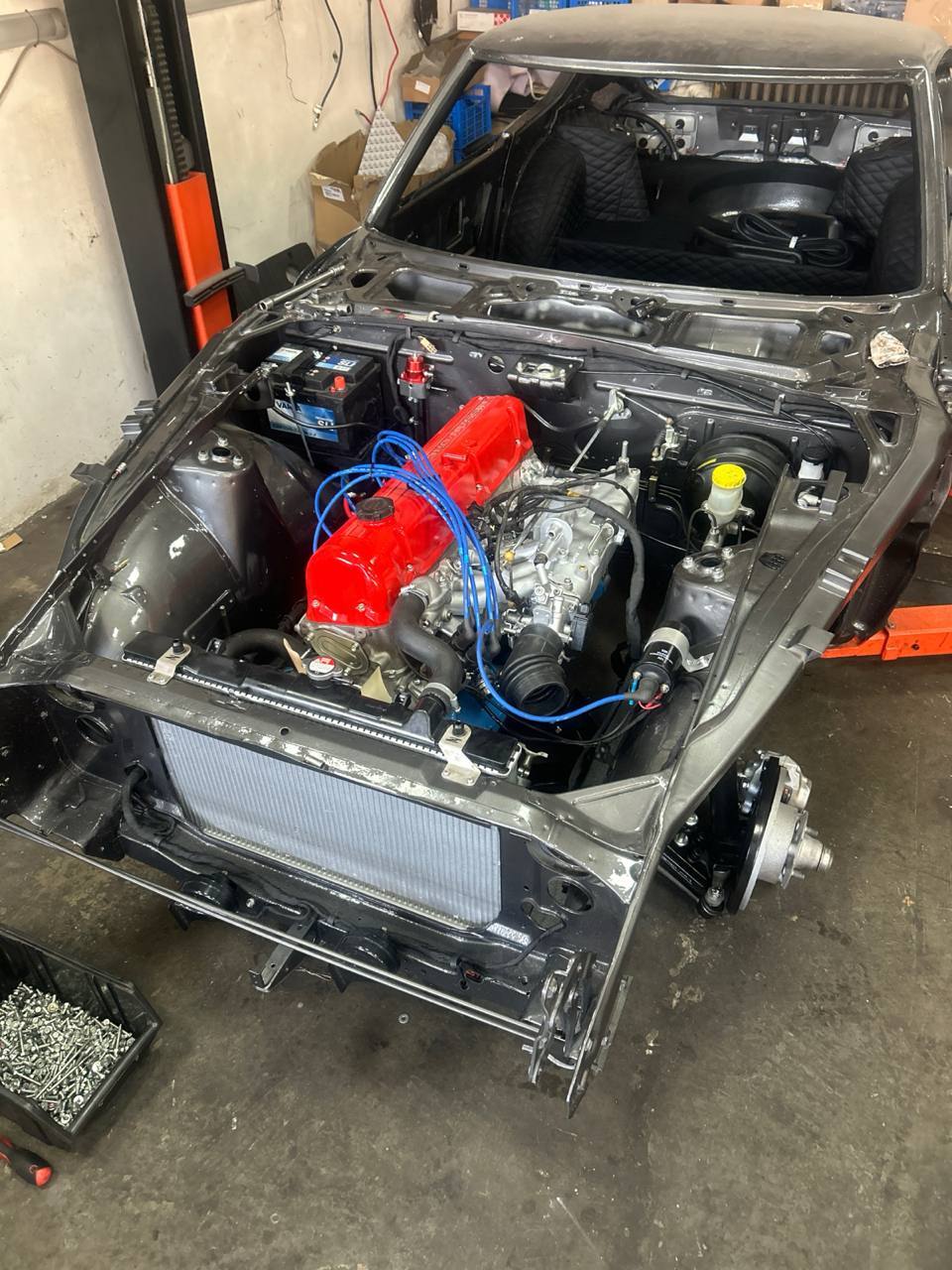
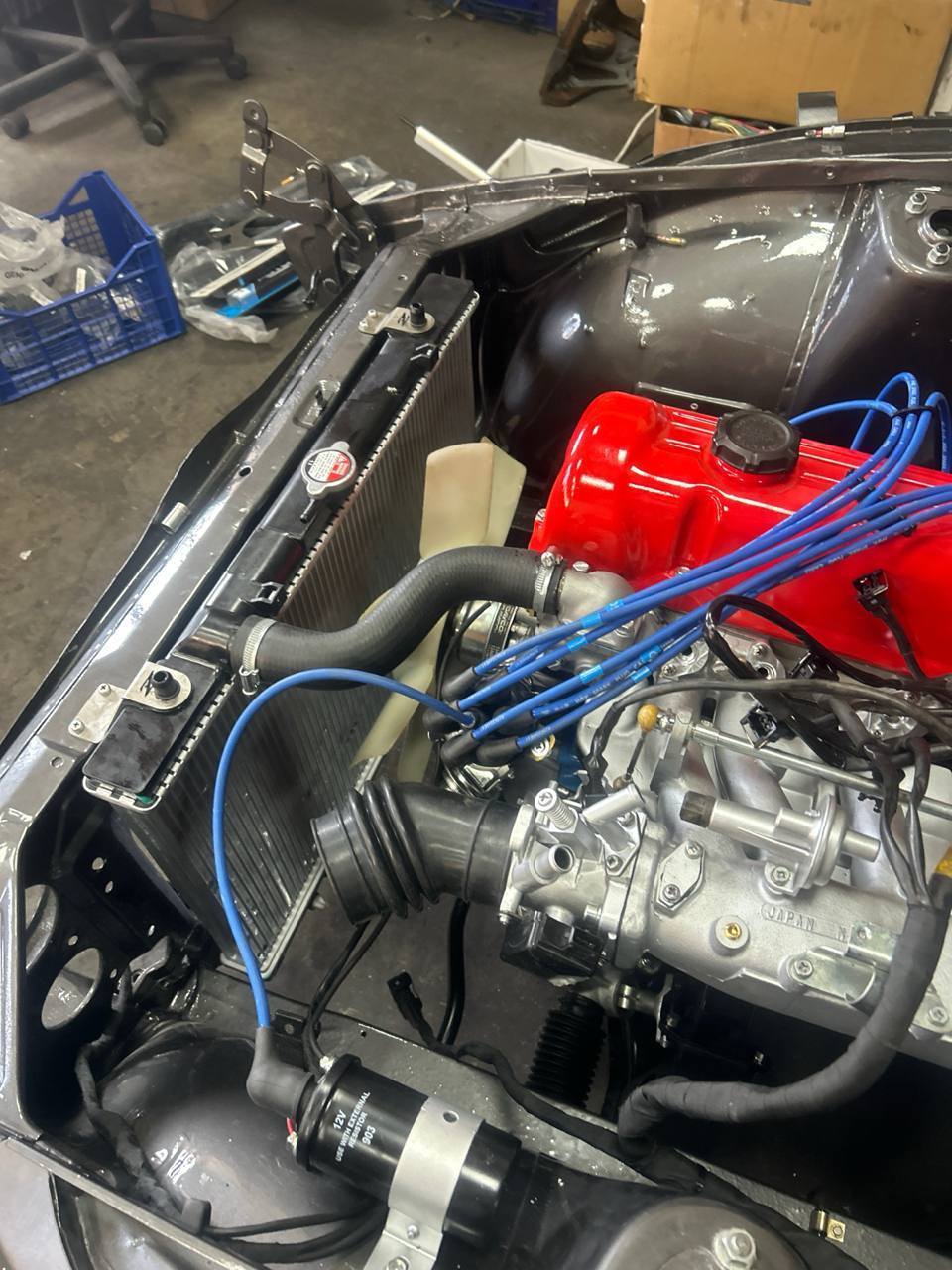
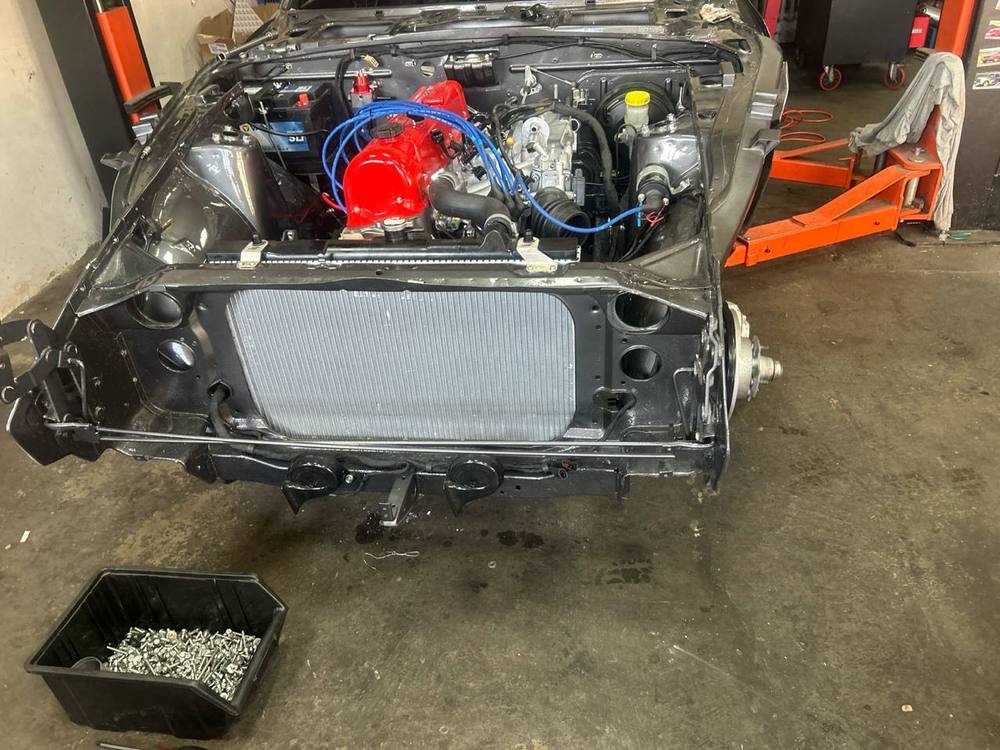
- Completed L24 fitted in the refinished gunmetal engine bay
- N42 intake and Bosch fuel injection
- Electronic ignition and new alloy radiator
This is one chapter of a complete, photo-documented restoration.
The full build — bodywork, paint, interior and more — is documented in detail. See this 240Z and the rest of our Datsun Z inventory here.
This Datsun 240Z Is For Sale
A numbers-matching, fully rebuilt and fuel-injected 1973 240Z, documented stage by stage. Full restoration records available. See the listing and the rest of our Datsun Z inventory.
View Full Listing All Datsun Z Inventory